
Nobody saw this coming. Not Spain. Not Argentina. And honestly, not most of the football world.
A nation smaller than most mid-sized cities. Ten volcanic islands scattered 570 km off the coast of West Africa. Population: barely 530,000. Land area: 4,033 square kilometres, smaller than Rhode Island.
And yet, Cape Verde just reminded everyone what sport is really about.
The Moment That Changed Everything
July 3rd, 2026. Hard Rock Stadium, Miami Gardens. Argentina, the defending world champions, led by a 39-year-old Messi playing his final World Cup, were supposed to cruise past the Blue Sharks in the Round of 32.
Instead, they got a fight.
Cape Verde held them to 1-1 through 90 minutes. Then came extra time. Sidny Lopes Cabral’s equalizer in the 103rd minute, a curving strike that even had Argentinian fans on their feet, pushed the match into the 111th minute before an own goal finally broke Cape Verdean hearts.
Final score: Argentina 3, Cape Verde 2 (AET). But the numbers don’t tell the story.
Emi Martínez, Argentina’s goalkeeper, made 11 saves in the final against Spain days later; a World Cup record. But nobody mentioned he’d already been worked to exhaustion by Cape Verde’s relentless attack.
Three Draws, Zero Defeats, Infinite Respect
Before Argentina, Cape Verde had already done the unthinkable in Group H:
- Held reigning European champions Spain to 0-0 (Spain would win the entire tournament)
- Drew 2-2 with two-time champions Uruguay
- Another 0-0 against Saudi Arabia
Three draws. Not a single loss in regulation. Second place in their group on goal difference.
When goalkeeper Vozinha held Spain scoreless, he gained almost 30 million Instagram followers overnight. People wanted to know: who are these guys?
“More so than just playing, this was about showing the world our identity. For as long as we were here we wanted to play against the best in the world. We wanted to show fair play. We wanted to exist on a level playing field.” – Pedro Leitão Brito (Bubista), Cape Verde head coach
The Football Federation That Could
Here’s what makes this run even wilder: Cape Verde only affiliated with FIFA in 1982. Their first international match was in 1978, a 1-0 loss to Guinea.
They didn’t even qualify for an Africa Cup of Nations until 2013.
Now they’re the second-smallest nation by population ever to reach a World Cup (after Iceland), and the smallest by land area, until Curaçao qualified for the same tournament five weeks later and broke both records.
But Cape Verde got further. Way further.
Most of the team doesn’t even play in Cape Verde. They’re scattered across European leagues, many born outside the islands. Ryan Mendes, their captain and all-time leading scorer (22 goals, 102 caps), embodies the Cape Verdean diaspora: more Cape Verdeans live abroad than on the islands themselves.
This wasn’t just a national team. It was a homecoming.
So What Actually Is Cape Verde?
Good question. Most people couldn’t find it on a map two months ago.
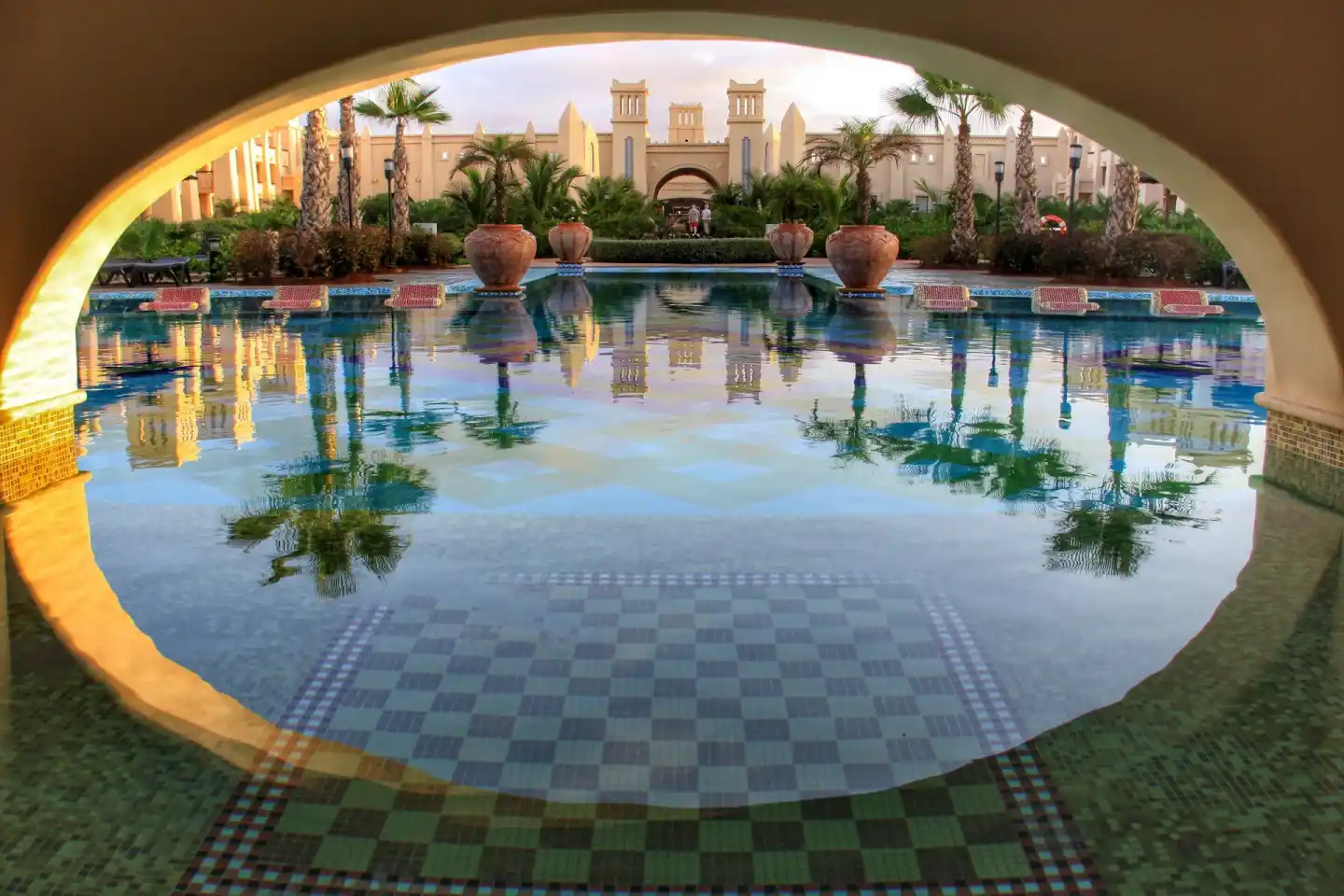
Cape Verde (Cabo Verde in Portuguese) is an archipelago of ten volcanic islands, about 570 km off Senegal’s coast. It’s been independent from Portugal since 1975. The population speaks Cape Verdean Creole, a Portuguese-based language that sounds nothing like mainland Portuguese, though most can speak standard Portuguese too.
Only 10% of the land is arable. Natural resources are scarce. Tourism makes up 25% of GDP.
The islands are wildly different from each other. Sal has white-sand beaches and year-round sun. Santiago has mountains, valleys, and the capital city Praia where the national stadium sits. Santo Antão has green valleys you could hike for weeks. Fogo has an active volcano you can actually climb.
Why You Should Go (Beyond the Football)
I’m not going to pretend Cape Verde is some undiscovered paradise. Tourism has been growing steadily for decades, especially on Sal and Boa Vista. European package tourists have been coming for winter sun since the 90s.
But the World Cup just changed the narrative.
Sal: Where It Started
The opening match against Spain was watched by hundreds crammed into bars and beach clubs in Santa Maria, Sal’s main tourist town. The place went absolutely bonkers when the final whistle blew on that 0-0 draw.
Sal is the easiest entry point. Direct flights from Lisbon, some European capitals. The main attractions:
- Santa Maria beach – legitimately beautiful white sand
- Pedra de Lume – salt crater pools where you float like the Dead Sea
- Kite surfing if you’re into that (the wind never stops)
Fair warning: Santa Maria has European prices. And mosquitoes. Bring spray.
Boa Vista: Desert Meets Ocean
Boa Vista has something Sal doesn’t: the Viana Desert. Watching 4x4s surf down massive sand dunes is a good day out.
Between June and October, sea turtles lay eggs on the beaches at night. It’s one of the world’s most important loggerhead turtle nesting sites. Worth timing your trip if you care about that sort of thing.
Santiago: The Real Cape Verde
If you want to understand why that national team fought so hard, go to Praia.
This is where most Cape Verdeans actually live. No resort complexes. Just a working city with markets, music, and the Estádio Nacional de Cabo Verde where the team trained.
Tarrafal beach, on the northern tip, is genuinely one of the best in the country. And almost empty compared to Sal.
Santo Antão: For Hikers Who Got Hooked
The ferry from Mindelo (São Vicente) to Porto Novo (Santo Antão) is pretty reliable. Once you’re there, you’re in proper hiking country. The Paúl Valley is green, steep, and spectacular.
This is where you remember Cape Verde is volcanic islands in the middle of the Atlantic, not just beaches.
Mindelo: The Cultural Heart
“If you ain’t seen Mindelo, you ain’t seen Cabo Verde” – locals will tell you this.
It’s true. Mindelo on São Vicente is where Cape Verdean music, art, and food scene all come together. The city hosted one of the best carnivals in the Atlantic (after Rio and Funchal) every February.
Post-World Cup, the celebrations here apparently lasted four days straight.
The Logistics Nobody Tells You
Let’s be honest: getting around Cape Verde is a pain.
Ferries get canceled constantly. Flights between islands are a gamble. The ferry between Mindelo and Santo Antão is solid, and Praia-Mindelo flights usually happen, but planning a six-island itinerary in two weeks will age you.
If you want multiple islands, give yourself three weeks minimum and build in buffer days for transport chaos.
If you just want a week of beach, Sal or Boa Vista will treat you fine. Don’t overthink it.
Most islands use shared taxis (aluguers); cheap, chaotic, and the best way to meet locals. Car rental makes sense on Santiago, maybe Santo Antão. Everywhere else, you won’t need it.
English works well on Sal and Boa Vista. Other islands, you’ll want some Portuguese or French. Or just smile a lot and point at things.
The Money Situation
Sal and Boa Vista: European prices. A meal for two in Santa Maria can easily hit €50-60.
Praia and Mindelo: Surprisingly affordable. You can eat well for €10-15 per person.
Rural Santiago and Santo Antão: Budget-friendly by any standard.
Currency is the Cape Verdean escudo (CVE). ATMs on smaller islands run out of cash fast, especially in Praia and Mindelo at the start of the month (payday). Bring backup euros.
Interisland flights are reasonable by European standards (€50-100). Ferries are cheaper but see above re: reliability.
What Nobody Mentions: The Diaspora Factor
One thing I didn’t expect: how many Cape Verdeans abroad are now planning trips back.
The World Cup run triggered something. People with Cape Verdean grandparents who’d never visited. Second-generation emigrants from Portugal, Netherlands, the US. All suddenly booking flights to Praia to see where Sidny Lopes Cabral grew up, where Vozinha learned to keep goal.
The government’s probably going to see a tourism bump they didn’t budget for.
Should You Actually Go?
If you want:
- Beaches without the Caribbean price tag
- Africa-adjacent without intensive logistics
- Year-round sunshine (seriously, it’s almost always 25°C)
- A place that just had a global moment and is riding that energy
Then yes. Worth it.
If you expect:
- Pristine infrastructure
- Punctual transport
- Untouched hidden paradise
Adjust expectations accordingly.
The Bigger Picture
Cape Verde is a country of 530,000 people that just went toe-to-toe with Argentina, held Spain scoreless, and made the world pay attention.
They did it with a team of diaspora kids who could’ve played for Portugal, Netherlands, France. They chose the islands instead.
That means something.
And now, every kid in Praia and Mindelo who kicks a ball in the street has just seen what’s possible. The next generation is going to be scary good.
For travelers, this is probably the moment to go. Before the prices fully adjust. Before every football tourist in Europe books the same trip. Before Cape Verde becomes “that place everyone’s been to.”
Right now, it’s still the underdog. The surprise. The team nobody saw coming that refused to lose.
And honestly? After watching Sidny Lopes Cabral’s equalizer loop on repeat, I keep thinking: what else are we sleeping on?
Practical Info:
- Visa: Most nationalities get visa-free entry or visa on arrival
- Best time to visit: November-June for weather; February for Mindelo Carnival
- Getting there: TAP Portugal via Lisbon is the main hub; some direct European flights to Sal
- Languages: Cape Verdean Creole, Portuguese (English works in tourist zones)
- Budget: €50-150/day depending on islands and style
This article was written July 2026, immediately following Cape Verde’s historic World Cup run. Prices, availability, and hype levels may have changed by the time you read this.