
Hitachi, Mitsui O.S.K. Lines (MOL) and Japan Airlines (JAL) have signed a memorandum of understanding to launch Japan’s first pilot project using Direct Ocean Capture (DOC) technology, marking a significant step toward developing ocean-based carbon removal solutions and a domestic carbon economy.
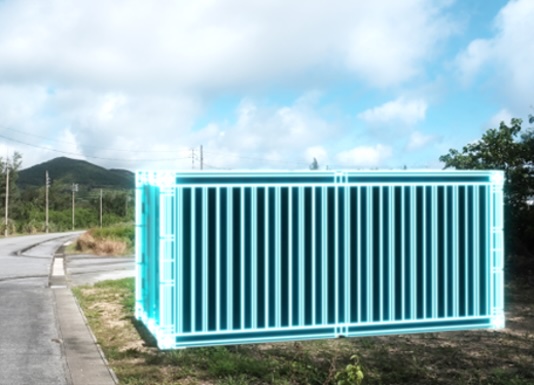
The pilot will take place on Kume Island in Okinawa Prefecture, where containerized equipment will extract carbon dioxide directly from seawater to evaluate the technology’s operational performance, environmental impact and commercial potential along Japan’s coastline.
The companies will also explore future applications for the captured CO₂, including its use in producing synthetic aviation fuel (e-SAF).
Capturing Carbon from the Ocean
Unlike traditional direct air capture systems, Direct Ocean Capture removes dissolved CO₂ from seawater.
Because the ocean naturally absorbs carbon dioxide from the atmosphere to maintain equilibrium, removing CO₂ from seawater encourages it to absorb additional atmospheric carbon, creating a continuous carbon removal cycle.
According to the project partners, seawater contains 100 to 150 times more CO₂ than the atmosphere, making DOC a potentially more energy-efficient and cost-effective carbon removal technology.

The pilot will generate operational data on carbon capture efficiency, electricity consumption and environmental impacts while helping establish measurement, reporting and verification (MRV) standards needed to support future carbon credit generation.
Supporting Aviation and Shipping Decarbonization
The three companies said the project targets sectors where reducing emissions remains particularly challenging, including aviation and shipping.
The pilot builds on each company’s investment in U.S.-based DOC technology developer Captura Corp., with the long-term goal of creating a domestic carbon ecosystem capable of supplying captured CO₂ for the production of e-SAF and other synthetic fuels.
“The companies position this pilot test as a first step toward building an island-based, domestically self-sufficient carbon economy in which the recovered CO₂ is ultimately utilized as a feedstock for synthetic fuels such as e-SAF.”
Roles of Each Partner
Each company will contribute its expertise to the demonstration project:
- Hitachi will monitor water quality and plant performance using advanced analytical technologies while developing AI-powered optimization systems and an MRV platform for carbon accounting.
- MOL will coordinate local partnerships on Kume Island and explore new regional business opportunities linked to ocean-based carbon removal.
- JAL will promote awareness of the technology, leverage its regional airline network serving Kume Island, and evaluate DOC as a future source of carbon dioxide for sustainable aviation fuel production.
The partners selected Kume Island because it already hosts several advanced marine technology projects, including Ocean Thermal Energy Conversion (OTEC) research, making it an ideal location for testing innovative ocean-based climate technologies.

The initiative is expected to provide foundational data for the future commercialization of Direct Ocean Capture in Japan while supporting broader decarbonization efforts across the country’s maritime and aviation industries.