
easyJet has partnered with aviation technology company i6 Group to roll out the eHandshake digital refuelling platform across its network, replacing traditional paper-based fuel ordering with a fully digital process designed to improve efficiency and reduce emissions.
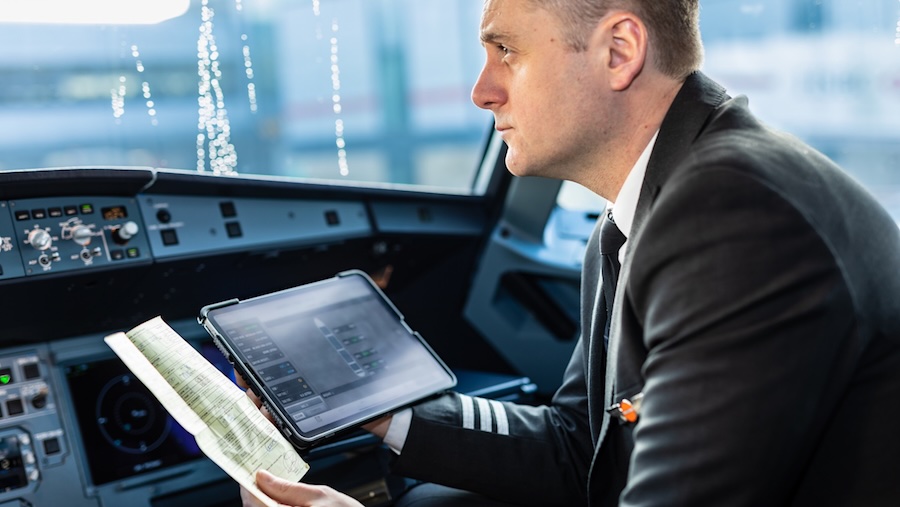
The new system will be integrated into easyJet’s existing ETechlog pilot platform, allowing pilots to order, confirm and verify aircraft fuel electronically while providing more accurate fuel data to optimize refuelling decisions.
According to the airline, the initiative has the potential to reduce carbon emissions by approximately 10,000 tonnes of CO₂ per year while eliminating an estimated 600,000 sheets of paper annually.
Digital fuel management
The eHandshake platform connects pilots, fuel suppliers and operational teams through a single digital workflow, replacing manual paperwork and improving communication throughout the refuelling process.
Pilots will submit fuel requests electronically before refuelling begins, allowing suppliers to prepare the correct fuel load in advance. Once refuelling is complete, deliveries will be digitally confirmed, creating a complete electronic record covering fuel planning, ordering, delivery and acceptance.
The centralized system will also improve invoice verification, strengthen data accuracy and provide greater visibility across easyJet’s fuel operations.
Lower fuel burn and operating costs
By providing more accurate fuel information, the platform helps reduce unnecessary fuel uplift, lowering aircraft weight and decreasing fuel consumption throughout the flight.
The airline expects the technology to improve operational efficiency while reducing both operating costs and environmental impact.
Implementation will begin with approximately half of easyJet’s network, with the rollout expected to expand to around 90% of the airline’s destinations over the next three years.
Supporting easyJet’s sustainability goals
The digital refuelling initiative forms part of easyJet’s broader net-zero roadmap, which includes improving operational efficiency alongside fleet modernization and other sustainability initiatives.
The airline remains on track to achieve its target of reducing carbon emissions intensity by 35% by 2035.