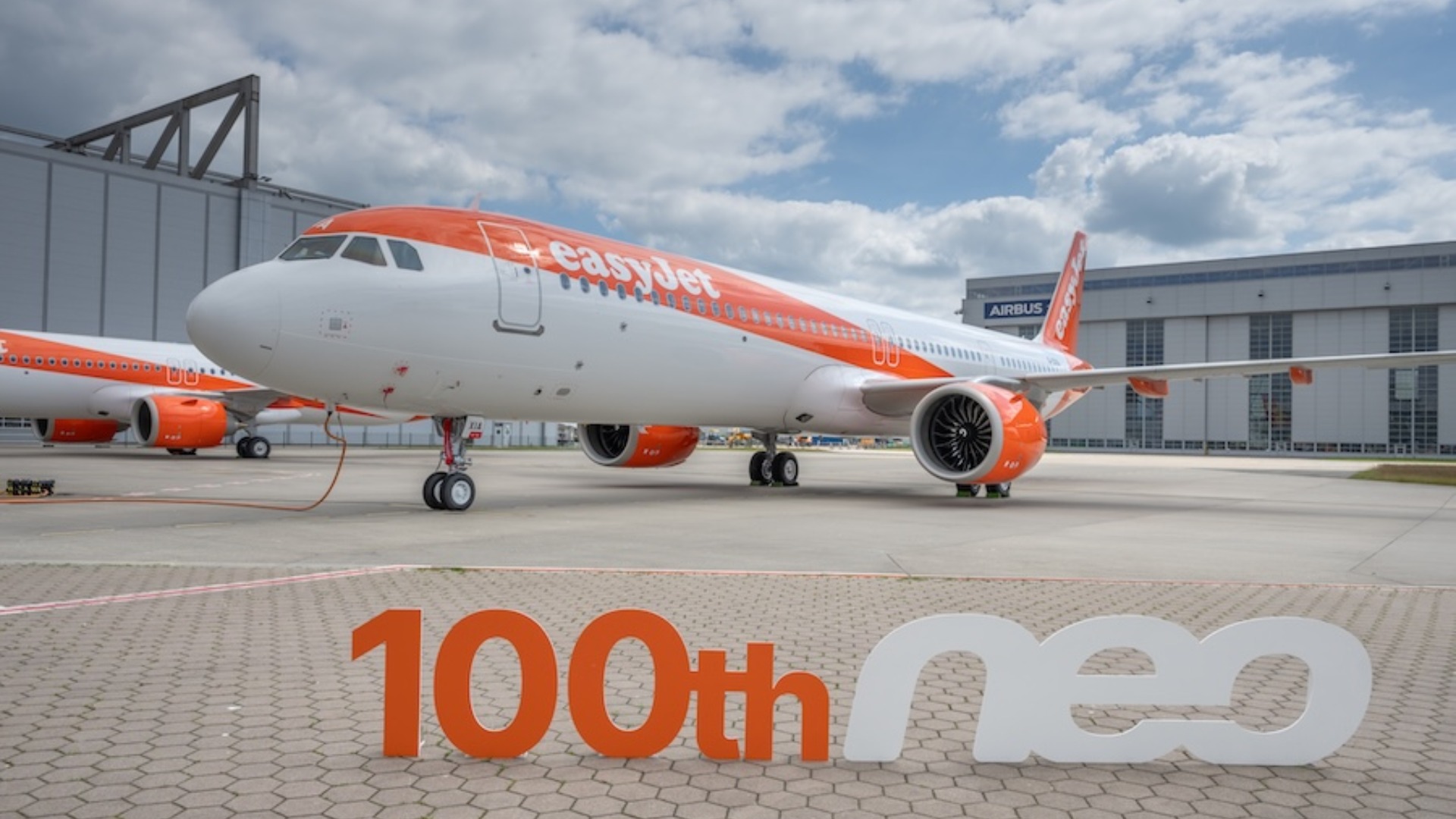
easyJet Takes Delivery of Its 100th Airbus NEO Aircraft in Hamburg
easyJet has taken delivery of its 100th Airbus A320neo Family aircraft in Hamburg, marking a significant milestone in the airline's fleet renewal programme and its transition toward more fuel-efficient operations.

The NEO fleet now represents over a quarter of easyJet's total 359-aircraft fleet. A320neo Family aircraft deliver up to 20% lower fuel burn and CO₂ emissions per seat compared to previous-generation planes, alongside an estimated 50% reduction in noise footprint. The aircraft are powered by CFM LEAP-1A engines and are capable of operating on up to 50% Sustainable Aviation Fuel today, with a pathway to 100% by 2030.
The milestone aircraft is the first to be fitted with Airbus' latest Airspace cabin, which easyJet will introduce on all future NEO deliveries. The updated cabin features improved LED lighting, a refined colour palette across furnishings and sidewalls, redesigned touchless toilets, and new braille indicators on seat row placards to assist visually impaired passengers. Crew also benefit from redesigned galleys with improved storage and dual front and rear ovens. In addition, easyJet will retrofit 81 existing A320neo and A321neo aircraft with the same Airspace cabin enhancements.
All future deliveries will also include new non-retractable LED Multi-Functional Runway Lights on the nose landing gear, reducing drag and weight while improving optical performance.
"The arrival of our 100th A320neo Family aircraft is a significant milestone for easyJet. These aircraft are at the heart of our strategy to operate a more efficient fleet and reduce our environmental impact," said David Morgan, Chief Operating Officer at easyJet.
Beyond the NEO fleet expansion, easyJet is pursuing a range of additional efficiency measures, including advanced sharklet winglets on its A320ceo fleet, single-engine taxiing protocols, lighter paint systems, and Airbus FANS-C navigation software across its NEO fleet. From 2028, the airline will also introduce ultra-lightweight Kestrel seats, which are over 20% lighter than the current generation and offer passengers up to two additional inches of legroom. The airline is targeting a 35% reduction in carbon emissions intensity by 2035.

Latest Articles