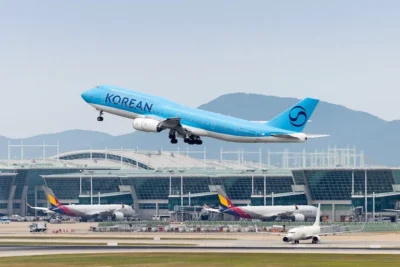

Korean Air has reported its highest-ever second-quarter revenue of KRW 5.0199 trillion (approximately USD 3.26 billion), a 26% increase year-on-year, even as higher fuel costs weighed on profitability and pushed the airline to a net loss for the quarter.
Operating profit fell 34% to KRW 261.8 billion (USD 169.8 million), while net income turned negative at KRW -97.3 billion, compared to a profit of KRW 395.9 billion in Q2 2025. On a cumulative basis, however, the first-half operating profit grew 4% year-on-year to KRW 778.7 billion, maintaining steady momentum.
Passenger revenue rose KRW 451.4 billion to KRW 2.8479 trillion, supported by growing inbound tourism to Korea and increased transit demand linked to geopolitical developments in the Middle East — which has pushed more connecting traffic through Asian hubs. Outbound Korean travel softened slightly due to oil price increases, but Korean Air expanded capacity on key routes to maximize yield.
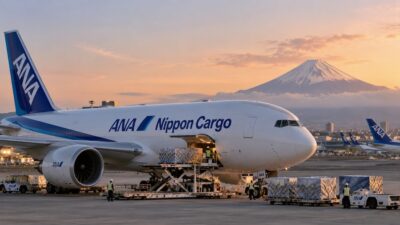
The standout performer was cargo, where Q2 revenue surged KRW 486.5 billion to KRW 1.5419 trillion. The airline attributed the growth primarily to booming global AI investments and strong K-beauty export volumes, supplemented by flexible route management including non-scheduled charter flights targeting high-yield freight opportunities.
Looking ahead to Q3, Korean Air expects passenger demand to rebound as the peak summer travel season takes hold, aided by lower fuel surcharges improving travel sentiment. The cargo business will continue targeting AI-related freight and adapting capacity flexibly to capture demand across high-growth sectors.