Heathrow handles disruption as passenger demand rises
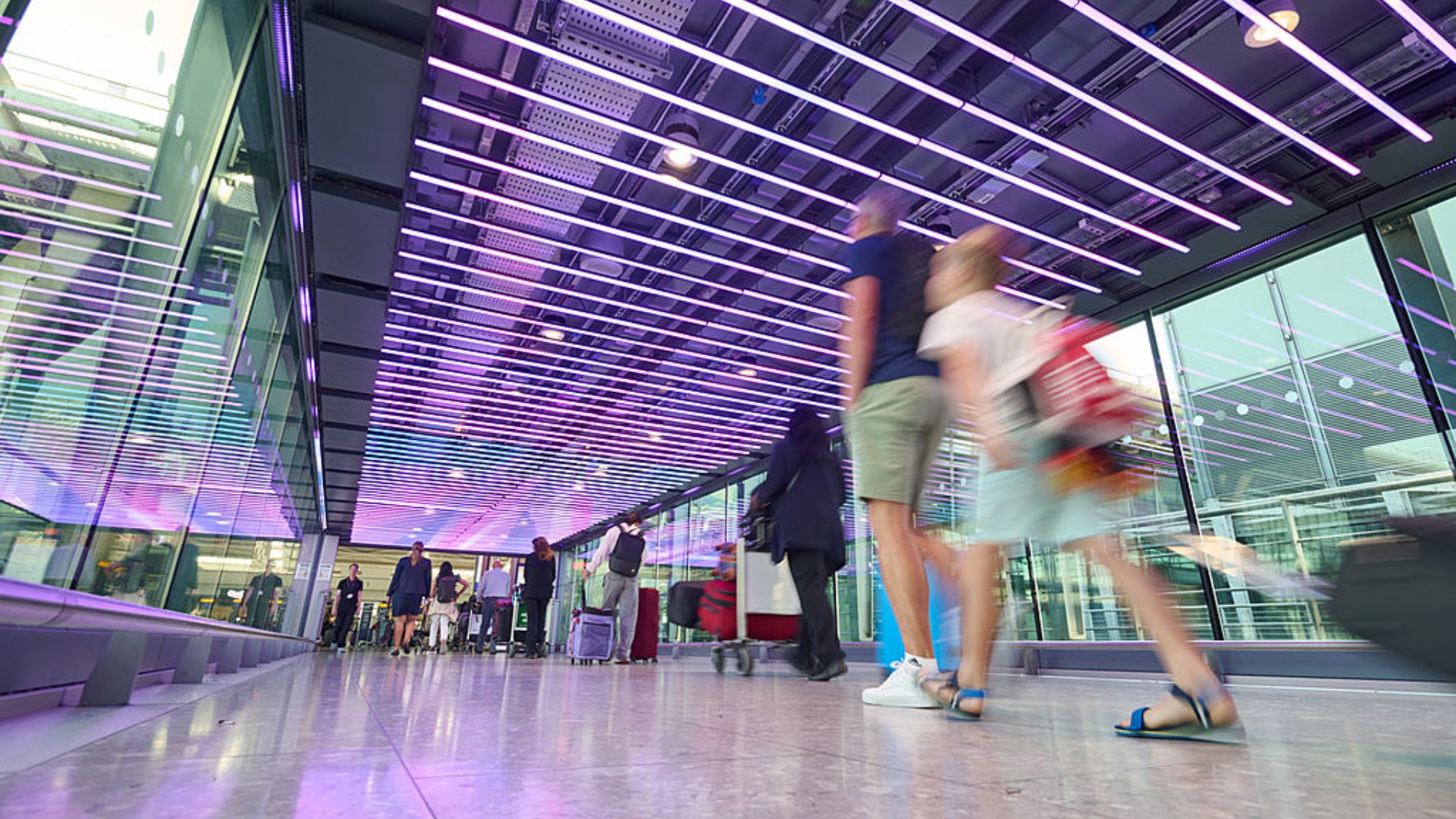
Heathrow Airport supported airlines and passengers through ongoing disruption linked to airspace closures in the Middle East, while still recording passenger growth in March.

The airport handled 6.6 million passengers during the month, a 6.9 percent increase year-on-year, as demand shifted across its long-haul network. Heathrow also saw a temporary rise in transfer passengers, up by around 10 percent, as travelers rerouted through the UK hub.
However, overall growth remains constrained, with the airport operating at full capacity and unable to expand flight slots, lagging behind some European competitors.
The Middle East disruption had a significant impact on traffic to the region, with passenger numbers falling sharply. Around 55,000 passengers were affected by cancellations, while flights to and from the region declined by more than 50 percent.
Despite global supply chain pressures, including fuel-related challenges, Heathrow said its operations have remained stable. The airport continues to monitor the situation closely and is working with airlines and government authorities to minimize disruption for passengers.
Performance in other markets remained strong, particularly across Asia-Pacific and Africa, which recorded notable growth in both passenger numbers and flight movements.
Heathrow also highlighted improvements in passenger experience, citing recent Skytrax awards where it was ranked the world’s best airport for shopping and third for security screening.
The airport recently marked the 80th anniversary of its first flight, which departed for Buenos Aires in 1946. Since then, Heathrow has handled more than 2.9 billion passengers and remains a key hub for global travel and trade.
Looking ahead, the airport said the outlook remains uncertain due to ongoing geopolitical tensions, but it continues to adapt operations to maintain service levels during a challenging period for the aviation industry.

Latest Articles