
Air France marks 80 years since recruiting its first 11 female flight attendants in 1946, a milestone that transformed on-board service and shaped one of aviation’s most iconic professions.
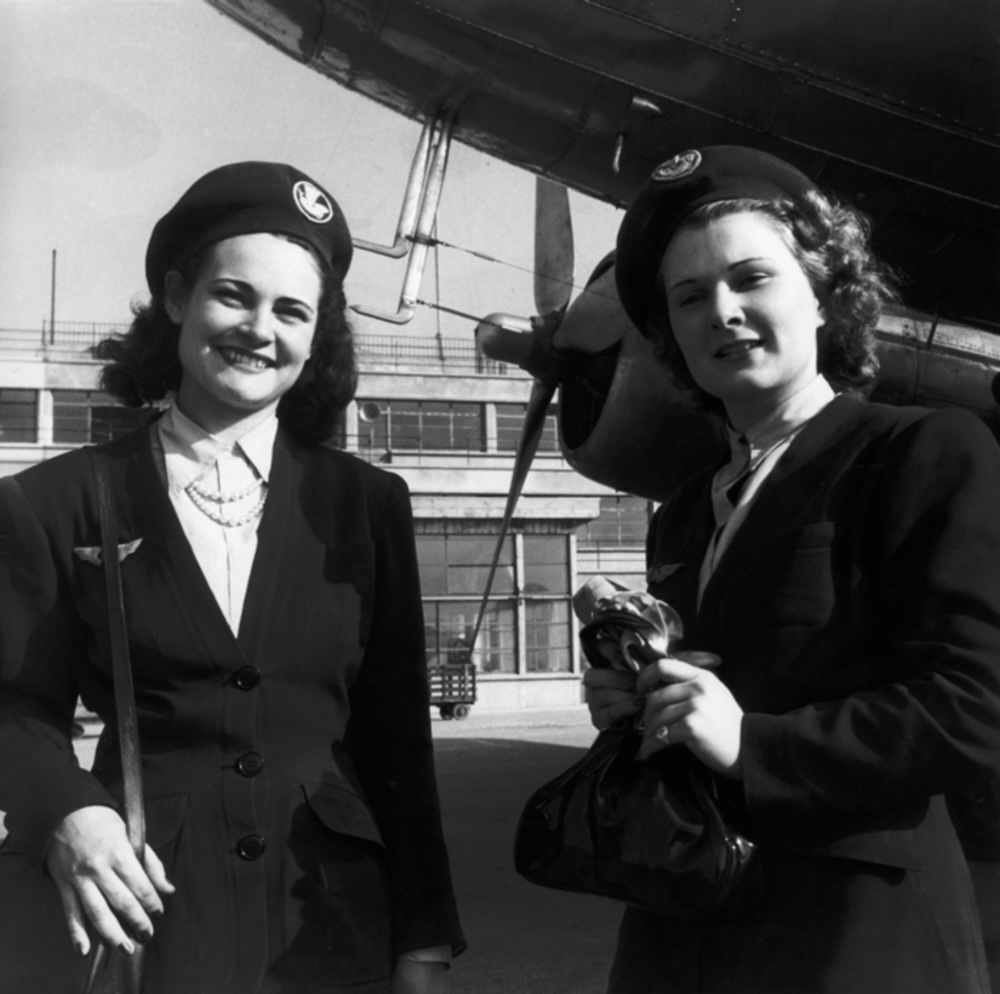
Air France is marking the 80th anniversary of the recruitment of its first 11 female flight attendants, hired in 1946 as the airline rebuilt and expanded rapidly in the aftermath of World War II.
Before their arrival, on-board service had been provided exclusively by stewards, typically on short flights with limited passenger numbers. As the airline resumed operations following nationalization in 1945, longer routes — including the newly inaugurated Paris–New York service, which could last nearly 24 hours — and growing passenger volumes demanded a new approach to cabin service. The recruitment of female flight attendants was a direct response to these changes, with their role focused on passenger welfare, comfort, and the overall quality of the journey.
Over the following decades, the profession evolved significantly. In 1955, stewardesses and stewards were unified under the single designation of cabin crew. With the arrival of jet aircraft and wide-body planes, roles became more structured and specialized, and safety training became a central pillar of the profession alongside service. New positions such as Purser and Chief Purser emerged as crews grew larger and more organized.
Flight attendants also became central to Air France’s global image, with their uniforms designed over the years by some of France’s greatest fashion houses, including Dior, Balenciaga, Carven, and Christian Lacroix.
Eight decades after that first cohort of 11, Air France today employs more than 13,000 cabin crew members, including 8,800 women, continuing a tradition of service, safety, and elegance that has defined the airline’s identity around the world.