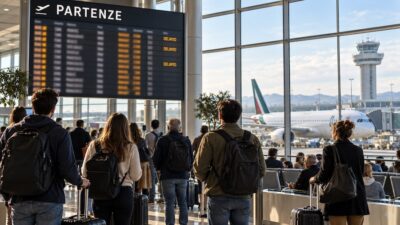

On October 25, the officials in Argentina authorized a new “airline security tax” of ARS 250 ($1.60), intended to contribute to the funding of the Airport Security Police (PSA). The surcharge will add to each airline ticket sold.
According to Peter Cerda, IATA’s regional vice-president for the Americas, the move is unsustainable and will negatively impact both passengers and carriers.
“As an industry we have always demonstrated our commitment to collaborate with the government to build a post-pandemic sustainable aviation sector in Argentina.
“We had forecast that we could reach 2019 traffic levels by 2024, but rather than facilitating this process, the government is just placing more rocks onto an already rocky road”, Cerda commented.
The Latin American and Caribbean Air Transport Association (ALTA) representatives agree and believe that the decision will not bring any advantage to the country’s tourism, especially since Argentinian taxes are one of the highest in the area.
“Airfare is the great gateway to countries. Thinking systemically, it all starts with the search for tickets. If the cost is higher than other destinations, the passenger might decide not to travel or choose another place”, added ALTA’s chief executive Jose Ricardo Botelho.
Currently, a person travelling to the country will pay a total of eight different taxes included in the cost of the air plane ticket.
“Depending on the base fare, up to 54% of the total value of an air ticket paid by passengers in Argentina in pesos is composed of taxes. Argentina is already plagued by unjustifiable taxes and fees that hurt demand for air travel and ultimately inhibit the country’s development,” Cerda explained.
In addition, airlines across Latin America face considerable challenges, as they weren’t supported in any way during the pandemic. According to forecasts, carriers are expected to lose around $3 billion this year, since the annual per-capita trip rate is significantly lower when compared to businesses on other continents.
However, officials remain positive about the aviation industry’s future growth plans. As the Argentinian Transport Minister Diego Giuliano has recently announced, investments meant to revive the sector are currently taken into consideration.
“We have placed a bet on infrastructure and building a regional durable, sustainable airline system. We want all airline companies to grow and develop, our national airline, low-cost carriers and international carriers”, he said.
With an inflation rate as high as 80 percent, increasing jet fuel prices and problems related to currency, passengers from Argentina are having a hard time to afford travelling and can be affected by the tiniest change in air ticket fares, leading them to search for alternative transportation means, which translates into a direct impact on the country’s aviation sector.
These tax decisions might in the end result in a lower competitiveness rate when to regional counterparts, higher travel expenses for the customers, decreasing demand and an overall weaker economy as well as fewer jobs across the Argentinian tourism industry.
source: flightglobal.com