
Zona Colonial, the model for all town planners in the New World

Declared a world heritage area by UNESCO in 1990, Zona Colonial (San Domingo, Dominican Republic) remains in history as "the oldest still inhabited European settlement in the New World"
After Christopher Columbus's arrival on the island in 1492, Santo Domingo became the site of the first cathedral, hospital, customs house and university in the Americas. This colonial town, founded in 1498, was laid out on a grid pattern that became the model for almost all town planners in the New World.
Hosting hundreds of buildings inside its old city walls, the cobbled streets of Zona Colonial are adorned with villas, palaces and stately homes, all considered heritage buildings, many of them being converted into restaurants, boutiques, hotels, art galleries and museums.
City of foregoings, Santo Domngo was the headquarters for the first institutions in the Americas: Saint Mary of the Incarnation Cathedral, Saint Francois Monastery, Saint Thomas Aquinas University, Nicholas de Bari Hospital, and the Casa de Contratación. It is also the first fortified city (fortress of Santo Domingo and its Torre del Homenaje) and the first headquarters of Spanish in the New World.
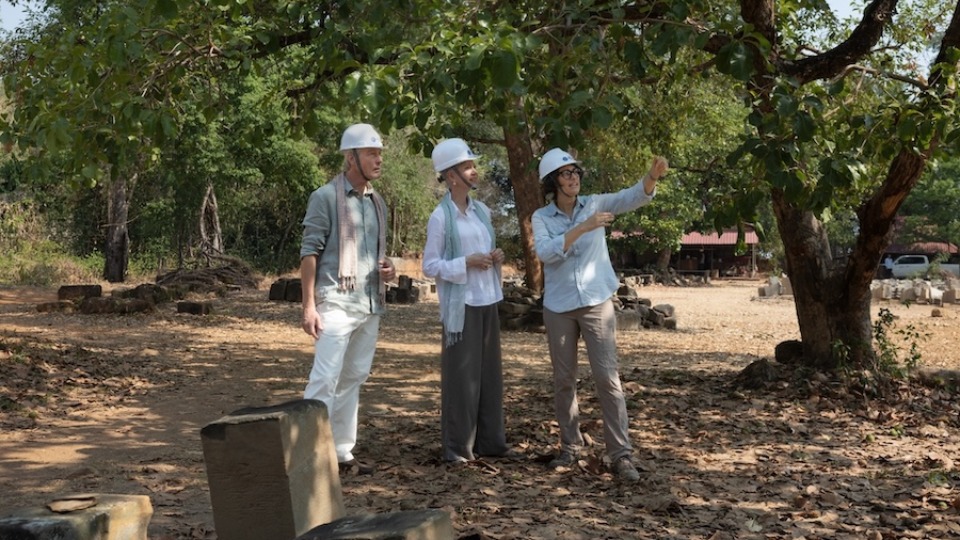
Today this part of the city is becoming a real estate choice for middle class people who decide to buy or rent houses in this area. However, great care is recommended while nighttime walks. Accredited guides, always wearing blue shirts and khaki clothes, can be found in Parque Colon and engaged for a two-hour tour.

Latest Articles