Yes you can safely travel to Hawaii, but bare these in mind
After the volcanic eruption that hit Hawaii two weeks ago, at the beginning of May, people from all over the world are wondering whether or not it is safe to travel to this region. The answer is yes, you can travel to Hawaii, but there are essential aspects to keep in mind.

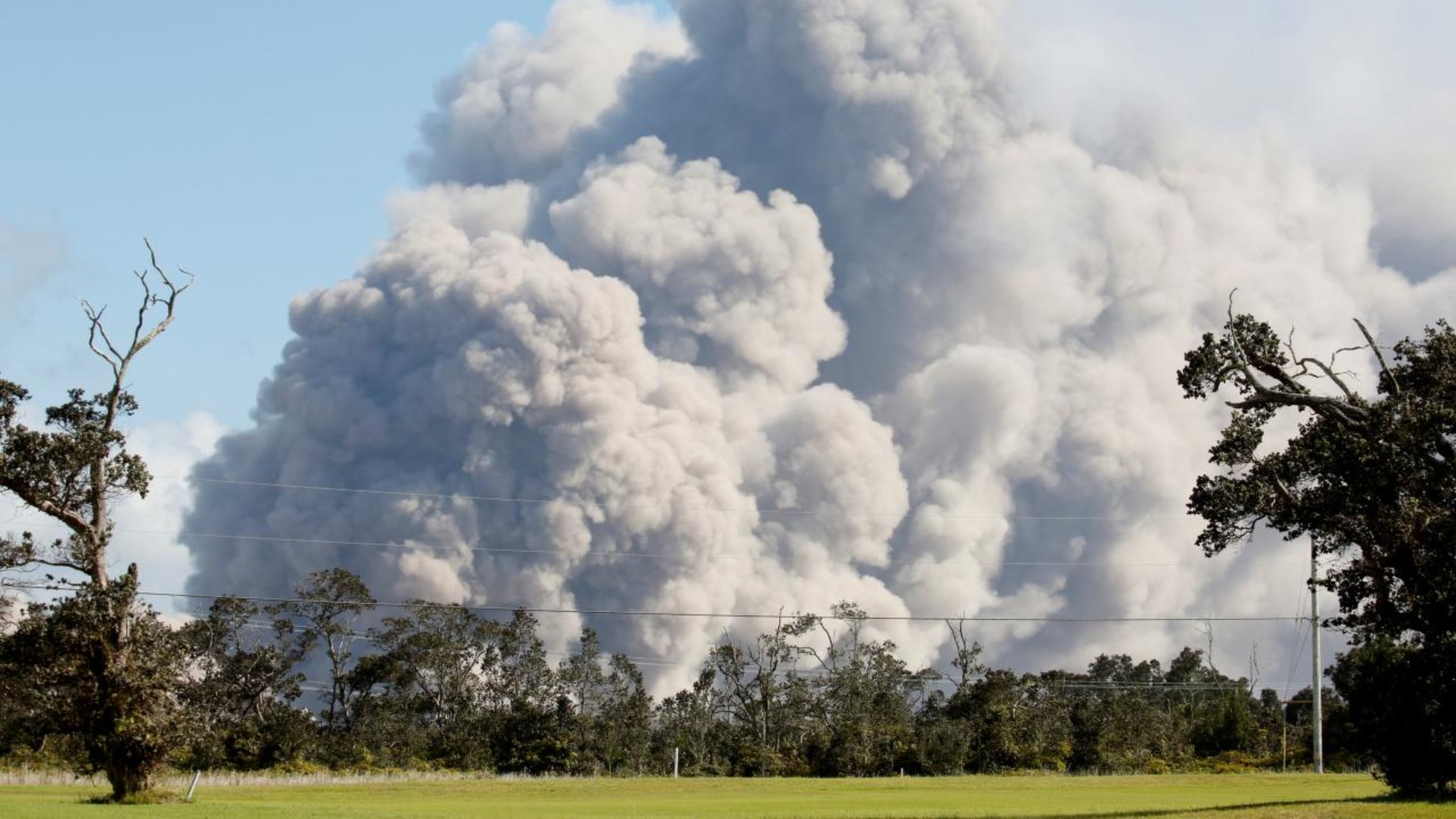
Last weekend, the lava from the Kilauea’s volcanic eruption reached the cold water of the Pacific Ocean, thus creating, as scientists call it, the “laze” effect, a combination of lava and haze, which resulted in the formation of a cloud containing small glass particles, steam, and hydrochloric acid. As a result, the U.S. Geological Survey (USGS) released a warning, advising people to avoid getting close to the affected coastline, as the cloud can create “hazy and noxious conditions”.
An air quality testing was performed in the area indicating that it is not safe, especially to people suffering from various respiratory issues or lung diseases. Due to the volcanic eruption, the sulfur dioxide levels in the region have tripled in the past two weeks.
The majority of Hawaii Volcanoes National Park has been recently closed, “due to ongoing seismic activity, summit deflation, and a possible steam explosion,” as the National Park Service stated.
The authorities say that tourists can still come and visit Hawaii, as most of Big Island was not exposed to the terrific consequences of the explosion and the region is still safe to visit. For this reason, most airports on the island are still open. However, the Puna region of the island is best to be avoided in order for unfortunate events to occur.
It is well known that Kilauea is the most active volcano in the world. Even though it has not ceased to send ash and steam into the air, the authorities are assuring all holidaymakers that
“There is absolutely no reason at this time for travelers to change or alter their leisure or business plans. None of the Hawaiian Islands are affected by Kilauea volcano except a remote area on the island of Hawaii’s east side and the Kilauea Summit.”
The Kilauea volcano is located on the south-east corner of the Big Island of Hawaii. The name of the volcano means “much spreading” or “spewing” in Hawaiian. It is one of the most well-known tourist attractions in the region.

Latest Articles