Workers at Dubai's Expo 2020 likely to have suffered dangerous heat stress
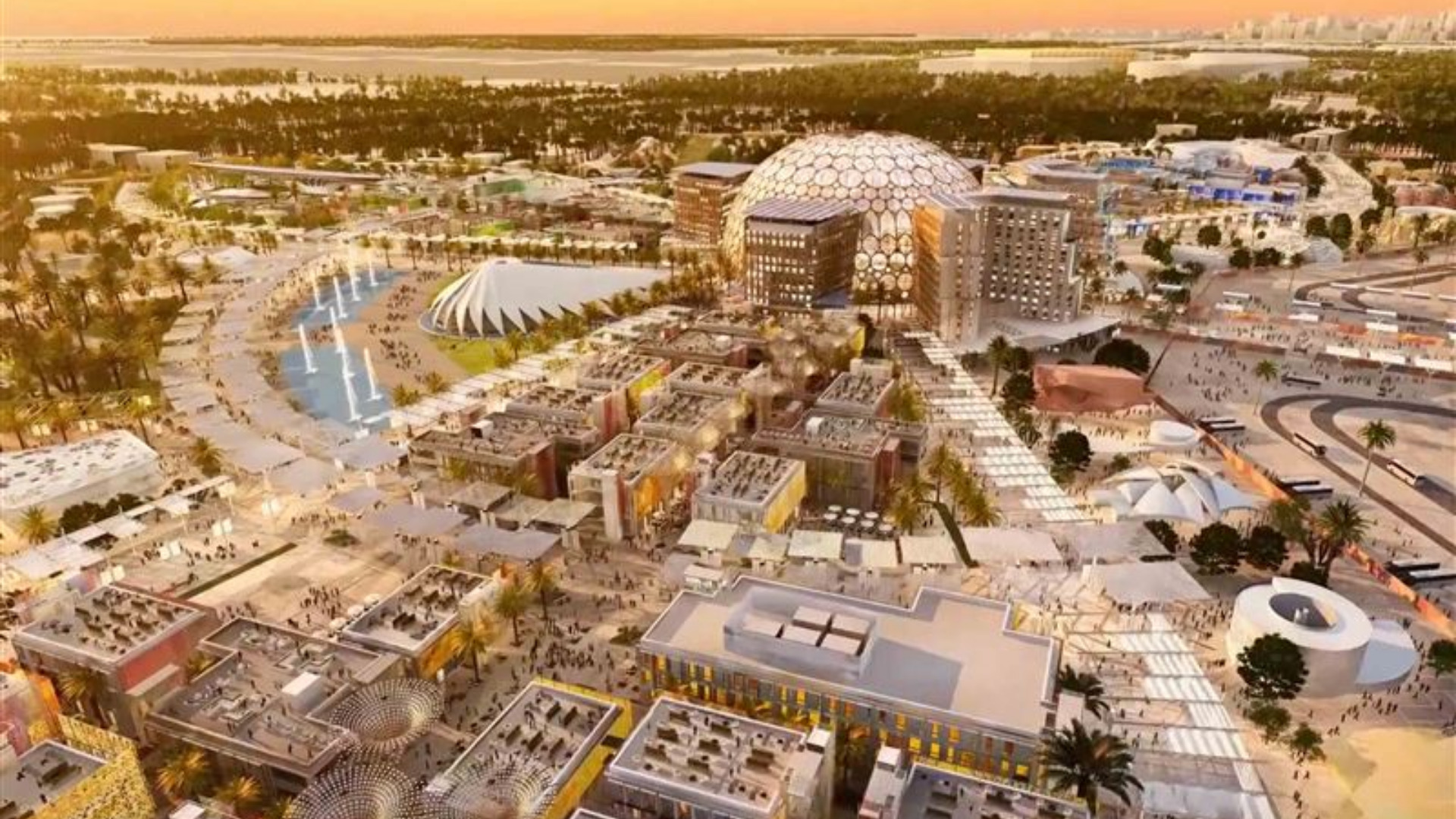
Thousands of migrant construction workers employed on huge infrastructure and building projects ahead of next year’s Expo 2020 exhibition in Dubai are likely to have been exposed to dangerous levels of heat stress, a Guardian investigation has found.

Construction work for the Expo 2020 began in 2015 and British construction firms including McLaren and Laing O’Rourke are among dozens of foreign companies involved in multi-million-pound construction projects for the global exhibition. To date, 60% of the Expo work has already been completed.
The United Arab Emirates is a dangerous place for the hundreds of thousands of migrant labourers who travel from their homes in India, Nepal, Pakistan and Bangladesh to work in the heat and dust of one of the wealthiest countries in the world.
Worker fatality numbers are difficult to access, but according to data from the Indian government, 5,185 Indian nationals died between 2012–2017. Many of these deaths are recorded as cardiovascular events such as respiratory failure, cardiac arrest or “natural deaths”. Of the 126 “blue collar” workers the Indian government said died in the UAE last year, 70% were recorded as dying from heart attacks.
Heat places a huge strain on the cardiovascular system
This is because extreme heat stress leads to potentially fatal heart attacks and other cardiovascular failures.
Recent research by cardiologists and climatologists concluded that exposure to extreme heat stress was linked to the deaths of hundreds of Nepali migrant workers in Qatar, which has similar weather conditions to the UAE.
The authorities in the UAE, in line with other countries across the Gulf, has said they are protecting workers from heat-related injuries through a work ban that prohibits manual labour in unshaded outdoor areas between 12.30–3pm from June–August.
The UK’s Department for International Trade awarded the £21m contract to build the UK Expo 2020 pavilion, which is inspired by Stephen Hawking’s “breakthrough message” initiative, to Pico and McLaren. McLaren is also working on construction at Dubai airport.
Laing O’Rourke is working on a contract to build the Leadership and Media pavilions, as well as the “Hammerhead” access road to the central event space for Expo 2020 Dubai. He said that it had specific summer working policies in place and well-defined procedures on how to implement these measures.
McLaren said that construction work on the UK pavilion is being timed to coincide with cooler temperatures. It also has detailed heat mitigation measures in place including chilled welfare areas, shaded rest areas on site and amended work schedules based on expected heat levels.
An analysis made by The Guardian found that
- In July, despite the work ban, anyone working outside will have been exposed to dangerous levels of heat stress between 9am-9pm. Between 9am-3pm workers can only safely work outdoors in unshaded areas for a maximum of 15 minutes an hour for almost every day of the month.
- In June, heat stress exposure was at a dangerous level between 9am–6pm. Before the outdoor working ban came into effect on the 15th, no work at all could be done safely between 9am and 3pm.
- In August, anyone working outside was at risk of suffering from dangerous levels of heat stress between 9am-6pm for the entire month. For most days between 9am–3pm, workers should have been working a maximum of 15 minutes an hour.
- The second half of September, after the end of the outdoor work ban on the 15th, was particularly dangerous. Virtually no work could be done safely between 12pm and 3pm and workers should have been working just 15 minute intervals between 9am and 12pm.
Source: the guardian.com

Latest Articles