UK Air Traffic Switches to Digital – Flight Delays Might Occur
Those traveling in the UK might experience some delays due to the most recent change in the way they operate their air space. Their decision to get rid of paper and go digital in their control center is part of the £700 million transformation in the way Britain is governing its skies.

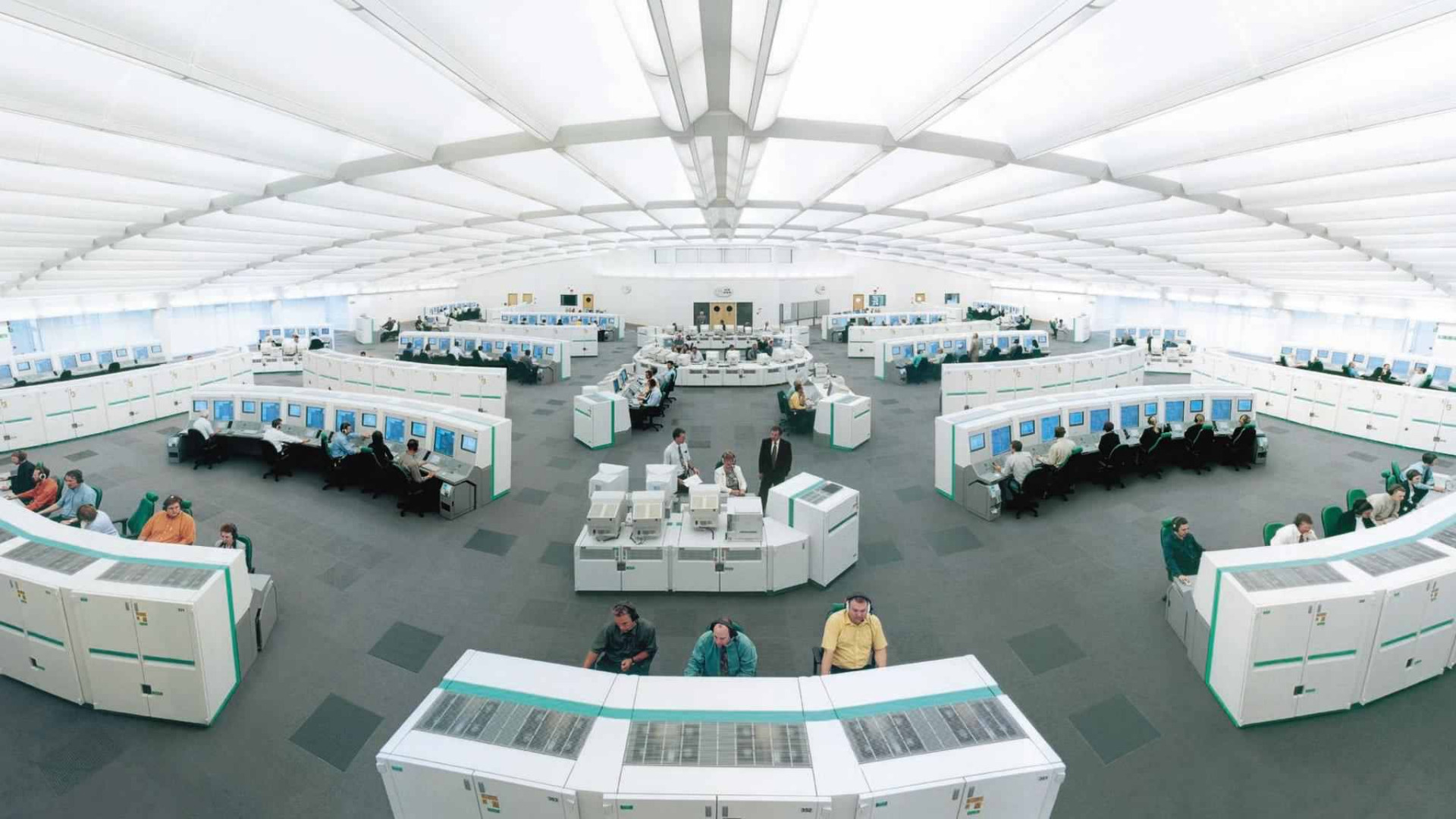
The newest addition, EXCDS, is an electronic system that aims to replace the paper flight strips used by air traffic controllers to document instructions given to pilots. This is, indeed, a historic move for the Swanwick base of Nats, which is the country’s leading air traffic control provider.
This switching operation at Swanwick, which is responsible for the entire air traffic across 200,000 square miles in and out of London, as well as south-east, while also handling almost 2 million flights per year, is the culmination moment in months of planning to make sure that everything works as smooth as possible.
“According to the analytics we have run, for those flights that are delayed, and many flights will not be, it is around 20 minutes at those peak times,” explained Jamie Hutchison, director at Nats Swanwick. “For the following 10 days that halves to around 10 minutes, and after 20 days we return to full capacity.”
“This is really quite a significant change for the controllers - and change is always difficult - but broadly the feedback has been very positive because they see the benefits.”
Furthermore, the air traffic control provider has asked the Government for flexibility on the usual limits on both late and early flights, which means that “there will be some impact on the communities around Heathrow and Gatwick who may hear flights earlier in the morning or later at night during the first ten days of transition”.
The transition from paper to digital will have several effects on the control room: it will be quieter and far more comfortable.
Source: telegraph.co.uk

Latest Articles