Travel and monkeypox outbreak – should we expect any restrictions?
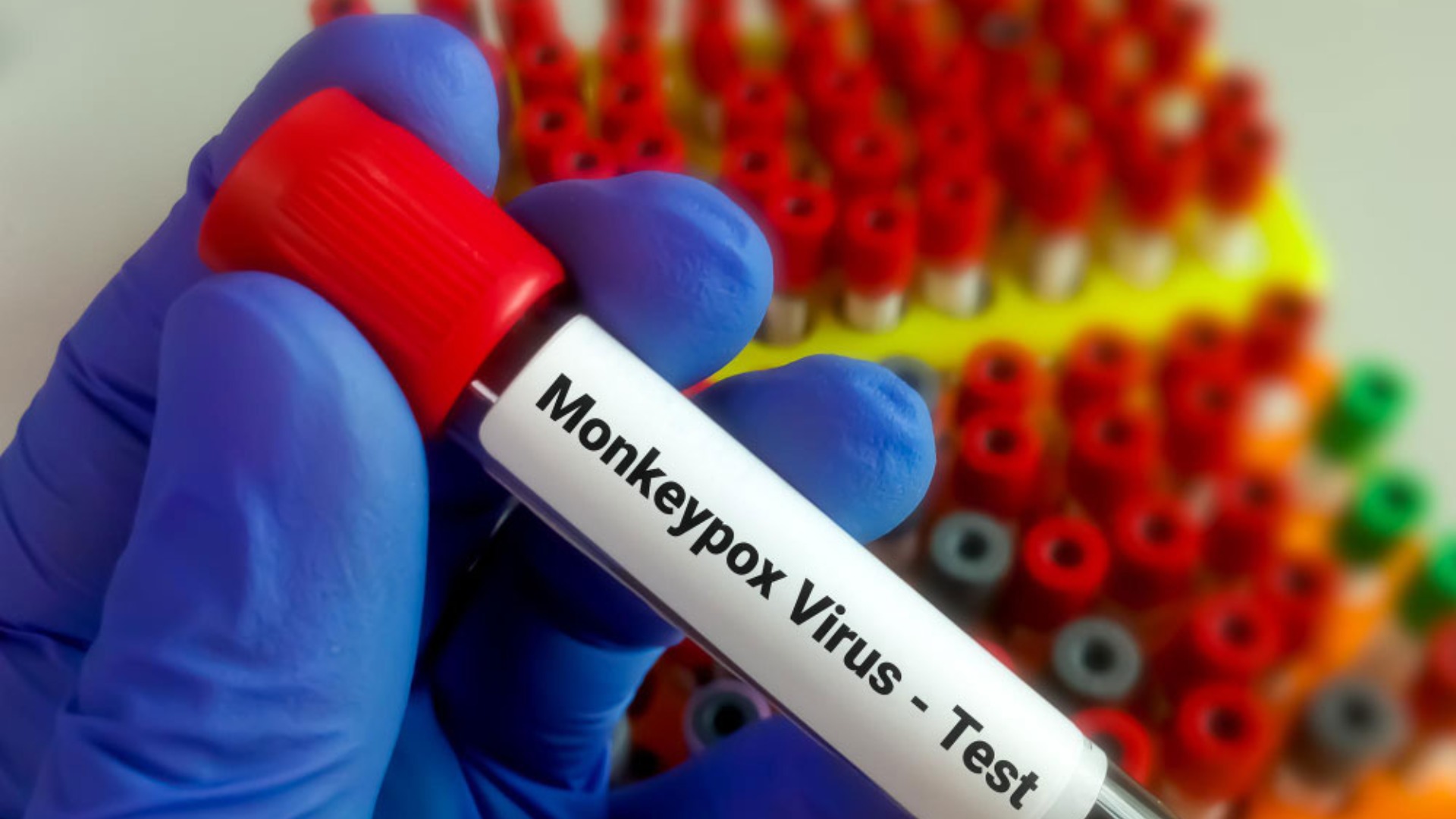
Monkeypox is a rare viral infection affecting both animals and humans, that can be transmitted by body fluids or lesions from one individual to another. However, the disease was found to not spread easily between people. Despite evidence, the ongoing monkeypox outbreak is affecting multiple countries in Europe and raises concerns about what will happen in the near future, especially since sexual intercourse seems to be the main transmission source.

“This is not Covid. Respiratory spread is not the predominant worry. It is contact and intimate contact in the current outbreak setting and population”, commented a CDC official.
Moreover, Dr. David Heymann, adviser of the World Health Organisation (WHO), thinks that the origin of the current outbreak can be explained if considering intimate interactions between homosexual and bisexual men during recent events in Belgium and Spain.
On the other hand, according to the NHS, people can also get infected if eating undercooked animal meat or if touching products originating from an infected animal.
Despite concerning transmission rate, monkeypox mortality rate does not exceed 4 per cent, and people usually recover after a few weeks. The symptoms feature chills, fever, aches, rashes or even painful lesions that go away after 2 or 3 weeks. Immunodeficient people, pregnant women and children are considered to be vulnerable for infection.
For now, there is no specific vaccine against the disease, but it seems that the smallpox jab can offer up to 85 per cent protection against monkeypox also. Moreover, scientists are currently developing new antiviral drugs to help fight the outbreak.
How many countries are affected?
Several European countries have so far reported more than 230 monkeypox cases, including UK (71 cases), Spain (48), Portugal (37), Germany (5), Belgium (4), France (5), the Netherlands (12), Italy (5), Denmark (1) and Sweden (1). The US, Canada and Australia are also affected by the spread of the disease, as cases were observed to be "atypical and occurring in non-endemic countries".
Monkeypox is specific for Central and West Africa, so the outbreak across countries outside this area is unusual and concerning. People testing positive for the disease are isolated for 21 days.
So far, the monkeypox outbreak has not resulted in any travel restrictions, but a prompter response from the authorities is expected for the season to come.
“As we enter the summer season [...], with mass gatherings, festivals and parties, I am concerned that transmission could accelerate", declared WHO's Europe regional director Hans Kluge
Source: euronews.com

Latest Articles