
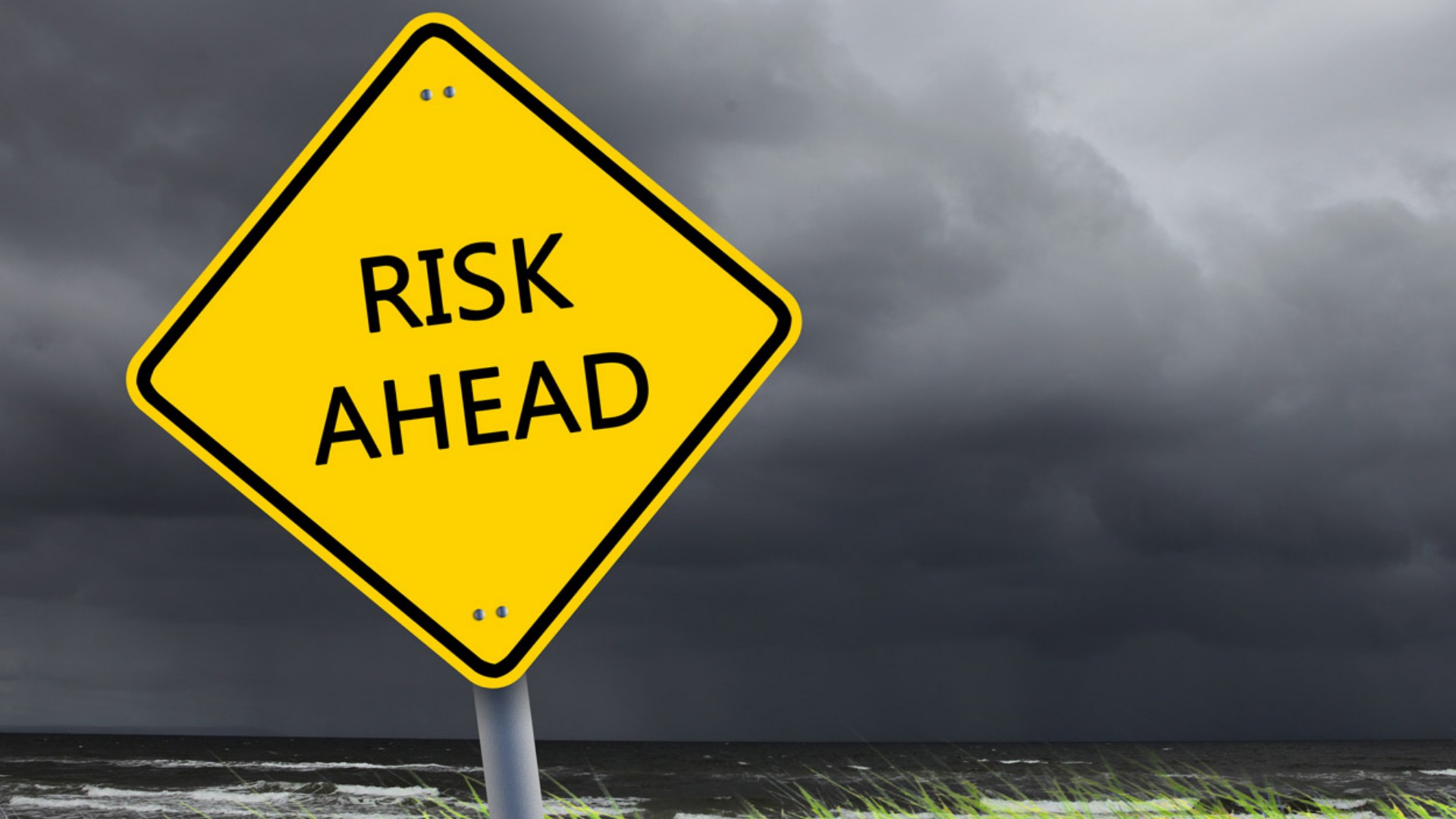
Travel alerts and warnings explained
Before canceling your trip, you should read the following information to better understand the circumstances in which these notifications are issued

With this month’s State Department warnings about traveling to conflict areas such as Honduras, the Democratic Republic of Congo, North Korea, Cameroon, Turkey, Mali, Iraq, Venezuela, Bangladesh, Sudan, Haiti, Saudi Arabia, and Lebanon people are getting confused on what exactly is the difference between a travel warning and a travel alert.
When issuing a travel warning, governments aim to make the citizens consider very carefully whether they should go visit a country at all. Travel warnings are generally issued when a country features unstable governance, internal conflict and violences, terrorist attack threats or civil war. As a particularity, travel warnings last longer than travel alerts: "Travel warnings remain in place until the situation changes; some have been in effect for years." On the other hand, travel alerts are issued on the verge of specific events like strikes, demonstrations, election related disturbances, health risks or an elevated risk of terrorist attacks. Travel alerts usually expire weeks or months after they have been issued.
Summing up, while a travel alert is issued in the scenario of a short-term event with temporary imminent danger repercussions, travel warnings are about the longer-term instability and elevated security risks of certain regions.
In addition to the State Department, the Centers for Disease Control (CDC) issue separate travel notices whenever specific diseases appear or spread to particular regions. So next time you travel you may want to consider the CDC releases too.
If thinking about canceling your trip to areas affected by conflict, keep in mind that all alerts and warnings are issued to maintain threats in perspective. According to Traveler's Ombudsman Eric Jordan “rather than avoid travel, we can take the precautions we believe are reasonable."
For emergency situations, people should consult specific internet pages on updated information on terrorist attacks or any kind of violence and find the closest embassy for consular assistance in case of need.

Latest Articles