
The October Nights: Eyes On The Shows In The Sky
Prepare for a "ring of fire" by putting on your solar eclipse glasses.

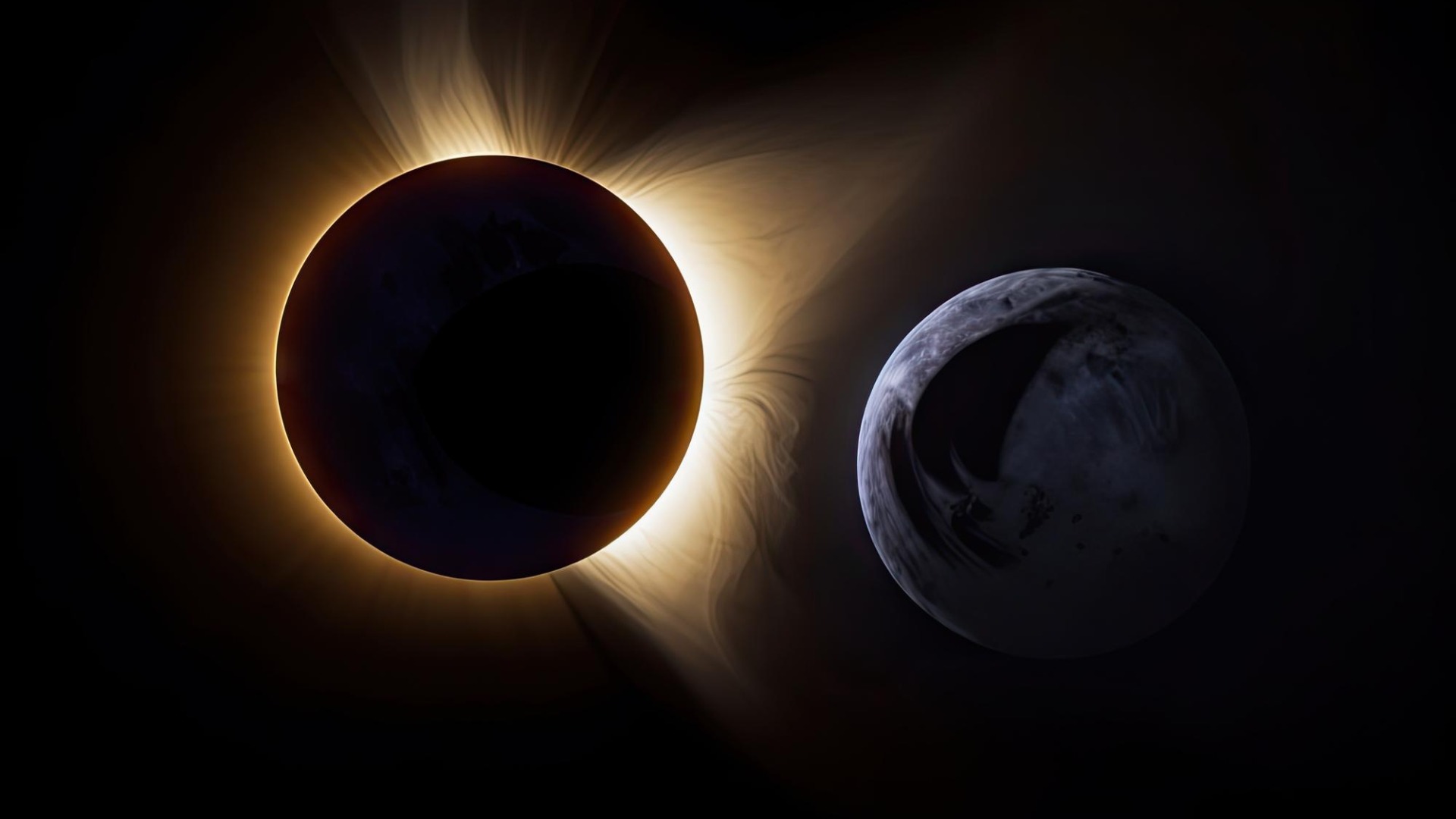
The year's supermoon celebration has over, but October still has plenty of astronomical surprises in store. Midway through the month, there will be an annular solar eclipse, which is sure to be one of the most talked about astronomical events of the year along with two meteor showers.
The night sky is full with more than just these dazzling sights. Season for seeing the northern lights is in full flow, as seen by September's impressive displays, making this month an excellent time to go in search of the phenomenon. We've compiled a list of the best places to see the lights anywhere in the globe, from picturesque hotels to aurora tours guided by local people.
Enjoy these not-to-be-missed celestial views in October as you take in the month's breathtaking night skies.
Draconid Meteor Shower Peaks on October 8 and 9
During their height, the Draconids produce fewer meteors than other meteor showers, at most 10 per hour. On October 8 and 9, when the Draconids are at their brightest, the moon will be a declining crescent that is just 23% lit, making for relatively dark sky and good viewing conditions (assuming clear skies). Keep an eye on the north-west sky from the evening of October 8 until the morning of October 9 for possible sky streaks. To see the most spectacular show, go somewhere with a clear night sky, like a national park.
Ascension of the Moon and Conjunction of Venus, 10 October
In the early morning hours of October 10 and 11, Venus, the third brightest object in the sky, will approach its lunar cousin. Look to the eastern horizon to find the pair. On both evenings, you may also see Venus's companion star, Regulus, another brilliant celestial object.
Solar annular eclipse on October 14
On October 14, everyone living in the line of totality for the annular eclipse will be glued to the sky. This much-hyped event will be observable from southern California through Nevada, Arizona, Colorado, Utah, and Texas, then on through Mexico, and finally ending in Brazil. The event, which starts at 11 a.m. ET, has attracted skywatchers from all around the world. Outside the line of totality, you can still observe a partial eclipse, or you may tune in to the NASA webcast. If you plan on seeing the eclipse in person, you should use protective eyewear.
Orionid Meteor Shower Peaks on October 21 and 22
The best time to see the Orionids, one of the most dependable meteor showers, is between midnight and sunrise on October 21 and 22. Even in the days before and following the event, the sky will be filled with shooting stars. The Orionids originate from Halley's comet, whose fragments enter Earth's atmosphere at a speed of around 41 miles per second, producing a shower of shooting stars that is definitely worth waiting. The moon will be a pretty bright waxing crescent at peak, thus the 2023 Orionids won't be at their best. However, you should still try to see the Orionids from a dark-sky park.
Planet Venus Achieves Maximum Elongation on October 23
Venus, the second planet from the sun, will be seen in its full splendour on October 23. At 7 p.m. EDT, the planet will be at its maximum elongation (46 degrees), its furthest distance from the sun's brightness.
Source: travelandleisure.com

Latest Articles