The Fukushima Nuclear Plant Sparks Widespread Outrage and Concern
Japan's controversial proposal to discharge Fukushima nuclear plant’s waste water has caused tension and uproar among citizens and governments alike.

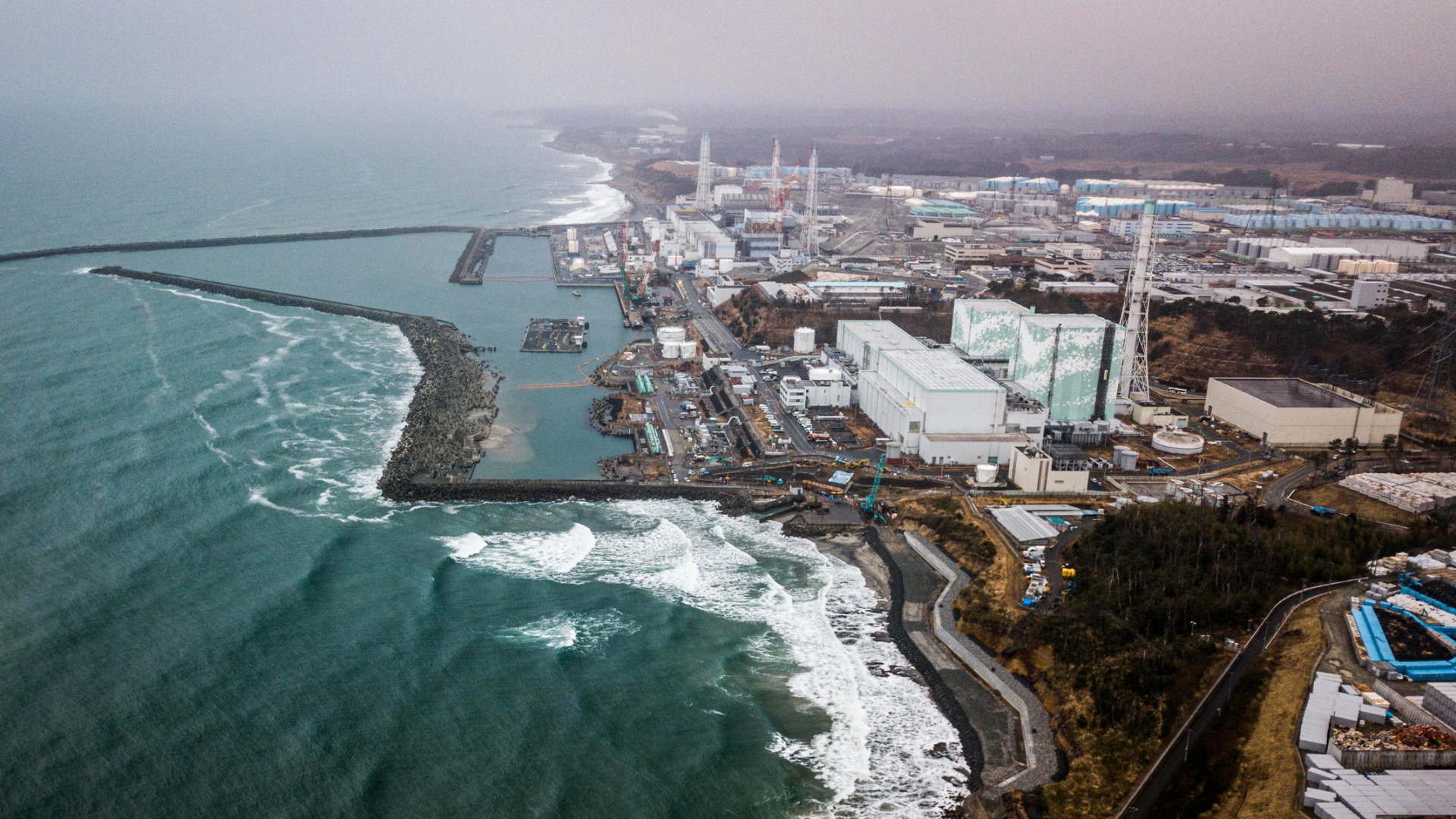
Over a million tonnes of treated waste water have built up at the site since the 2011 tsunami severely ravaged the facility. And Japan is planning to release it into the Pacific Ocean soon.
The International Atomic Energy Agency (IAEA), which is responsible for monitoring nuclear activity at the United Nations, has just issued a report in which it supports Japan's proposal. However, the idea has been highly contentious in Japan ever since it was unveiled two years ago, with many local communities voicing their fears of contamination.
Local seafood producers and fishermen are also worried that customers would stop purchasing their product. The people who live around Tokyo are also unhappy. China has been the most outspoken, saying that Japan is utilizing the sea as its "own sewage", while issuing harsh criticism of the IAEA assessment, claiming that the organization's findings were biased.
Water has been pumped into the Fukushima nuclear reactors by power plant operator Tepco ever since the tragedy. That implies that every day the factory fills huge tanks with radioactive sludge. Japan claims that filling over a thousand tanks is not a viable long-term option. This water, it claims, can be safely dumped into the Pacific Ocean over the course of the next three decades.
While it is standard procedure for nuclear power stations to release treated wastewater into the marine environment, the fact that this waste product originated from an accident makes it unique.
Tepco uses the ALPS to filter the Fukushima water, reducing the radioactive chemicals to safe levels, with the exception of tritium and carbon-14, which are pretty challenging to isolate since they are pervasive in nature. Both produce relatively little radiation but might be harmful in huge doses. The purified water undergoes a last treatment before being mixed with saltwater to dilute the residual chemicals and eventually being discharged into the ocean. Tepco claims their valve system will prevent the unintentional leakage of untreated sewage water.
Approximately 1,500 becquerels per litre is the final tritium level, which the Japanese government claims is significantly safer than the levels allowed by authorities for nuclear waste release or by the World Health Organization for water for human consumption. According to Tepco, the carbon-14 level will likewise be within acceptable ranges. Moreover, studies demonstrate that the water being released poses minimal threat to people and aquatic life.
The concept has also received support from several scientists, as the amount of radioactive water that will be discharged is negligible compared to the volume of the ocean. According to molecular pathology specialist Gerry Thomas, who collaborated with Japanese researchers on radiation studies and counselled the IAEA on Fukushima information, there is no indication that these very low amounts of radioisotopes have a deleterious health impact.
On the other hand, environmentalists and human rights experts have spoken out against the proposal. According to research published by Greenpeace, Tepco's treatment procedure does not remove radioactive chemicals effectively. Some have also argued that Japan should retain the treated water in storage for now. They contend that doing so will afford enough time for new processing technologies to be developed and for any leftover radiation to dissipate on its own.
A small minority of scientists share this unease. More research is needed, they argue, to see how it will influence the environment.
"We've seen an inadequate radiological, ecological impact assessment that makes us very concerned that Japan would not only be unable to detect what's getting into the water, sediment and organisms, but if it does, there is no recourse to remove it, there's no way to get the genie back in the bottle," marine biologist Robert Richmond of the University of Hawaii commented.
Nevertheless, Tatsujiro Suzuki, professor of nuclear engineering at Nagasaki University's Research Center for Nuclear Weapons Abolition, believes that the proposal would not automatically lead to significant environmental damage or quickly affect the population if all went according to plan. Yet, he is still worried about the inadvertent leak of tainted water since Tepco failed to avoid the 2011 tragedy.
Japan has been under pressure from China to establish a deal with neighbouring states and global bodies before releasing the water. Beijing has also accused Tokyo of breaking global moral and legal commitments, and stressed that it must suffer all repercussions if the plan goes through.
In contrast, Seoul, which has been eager to develop relations with Japan, has downplayed any worries and reported it "respects" the IAEA's conclusions. Even so, this strategy has enraged the South Korean people, with a recent survey showing that 80% of respondents are concerned about the water leak. Many people in Seoul have been stocking up on salt and other basics in anticipation of possible food shortages as a result of recent rallies demanding government intervention.
Last Monday, as a result of the existing pressure, the parliament of South Korea approved a resolution rejecting the water dump proposal, however it is unclear if this would affect Japan's ultimate choice. Additionally, "intensive inspections" of seafood are being launched, and the restriction on importing Japanese seafood from areas near the Fukushima plant remains in place.
The Pacific Islands Forum, a regional organization, has also called the idea another "massive nuclear contamination catastrophe," and numerous other island governments have also voiced their worries.
For the moment, it is unclear what measures Japan would take to ensure it had the support of its neighbours before moving further with the initiative.
PM Fumio Kishida stated on Tuesday that his government and Tepco will keep up its efforts to persuade sceptics by providing "a high degree of openness" in detailing the science underlying the treatment procedure.
Japan noted that other nuclear reactors in the area, especially those in China, release water with far greater amounts of tritium, according to information posted on the official web page of the country's ministry of foreign affairs.
Some sources suggest that Japan might begin dumping the Fukushima water as soon as August, after receiving authorisation from the world's nuclear watchdog, preparing the scene for a heated confrontation with its opponents.
Source: bbc.com

Latest Articles