Revised Rates To Go Into Effect At This Splendid National Park
Everything you need to learn about the newly raised parking fees at Great Smoky Mountains national park.

The cost to park at Great Smoky Mountains National Park increased by a few dollars on Wednesday. The popular national reserve that straddles the state lines of North Carolina and Tennessee has raised its parking prices as part of its "Park It Forward" initiative.
Each car parked for more than 15 minutes within the park will now be required to purchase a parking sticker for $5 per day or $15 per week. The park provides a $40 yearly parking ticket for those who anticipate on making many excursions. Car park at most campsites now costs $30, with higher rates in Group Campers, Horse Camps, and Picnic Pavilions.
Tourists who want to leave their cars parked for more than 15 minutes will be required to purchase a parking tag.
These are the essential infos:
Daily rates for a single car are $5, and weekly rates are $15.
One Car, One Year: $45.00
You may buy your parking tag at a machine or online before you leave. Similarly, most campsites now cost $30, which is a significant rise from previous years.
While the park is known for never having an admission fee, the National Parks Service, which manages the area, claims that the new levies are required to maintain the park and expand visitor amenities. All of the money collected via the new programme will be used exclusively towards park operations. The Great Smoky Mountains National Park saw over 12,937,631 visitors in 2022, making it the second largest year in the park's history.
The number of tourists to the Smokies has increased by 57% during the previous decade. As the Smokies' operations budget hasn't kept pace with the park's popularity, the park's deteriorating infrastructure and the pressure on its small workforce are beginning to show. The Park System made the declaration in a blog post.
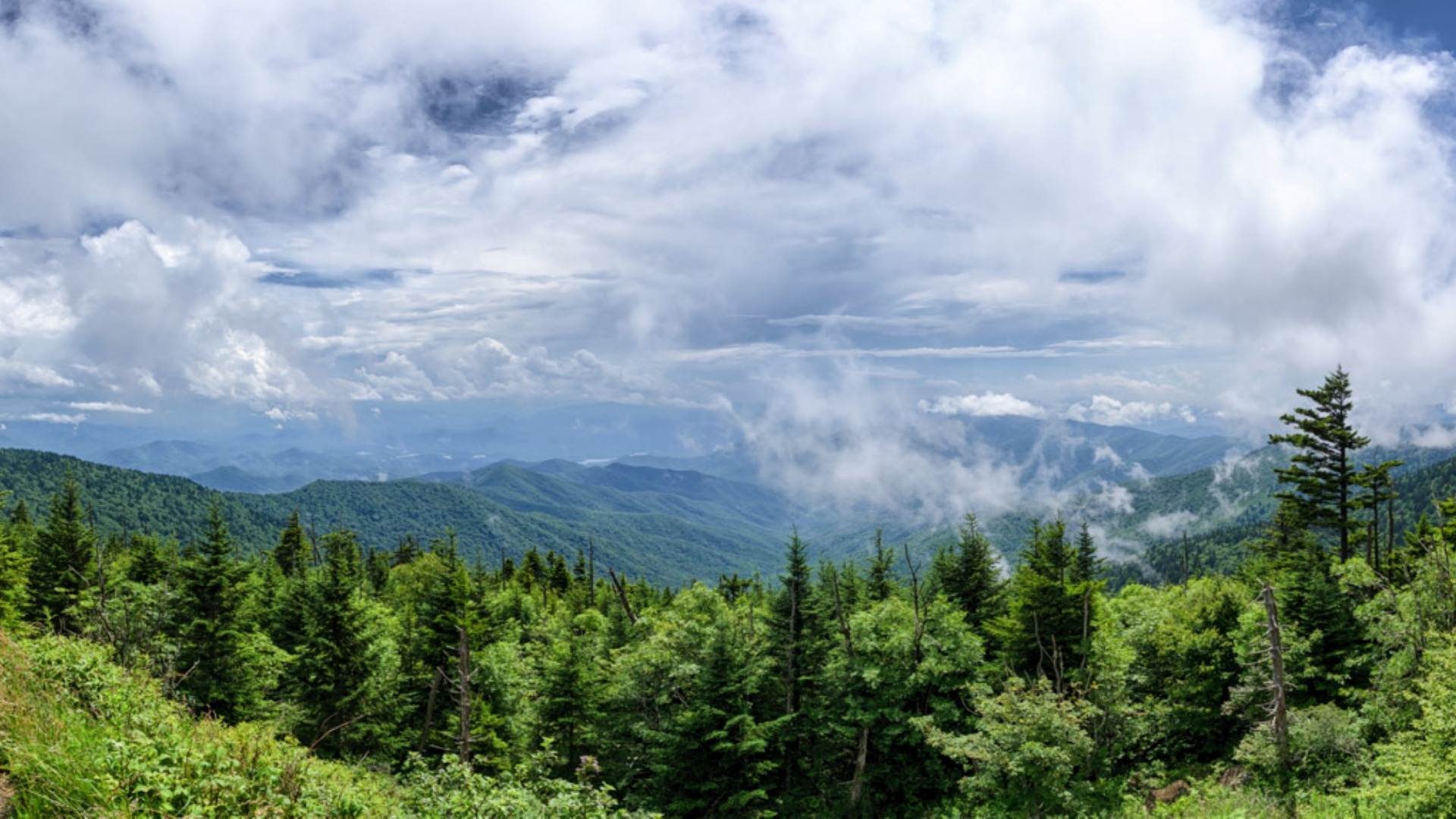
Being "the most biodiverse place in the National Park system," the Great Smoky Mountains National Park is enormous, covering more than 800 square miles.
Source: travelandleisure.com

Latest Articles