Portugal Now Accepts Hundreds Of Digital Nomads Every Month
The new programme allows remote employees to stay in the nation for up to a year while working

200 digital nomad visas have been issued by Portugal since the programme began in October 2022. According to the Ministry of Foreign Affairs, most applications have come from the United States, the United Kingdom, and Brazil.
All candidates must have a monthly income of at least €2,800 (four times Portugal's minimum salary) to be considered.
“Portugal is a country for immigration. Every year, we receive thousands of immigrants, seeking opportunities in our country,” remarked Minister Ana Catarina Mendes.
Here's the info on how to fit sightseeing trips to Lisbon and Porto into your schedule between Zoom conferences.
The new visa, formally known as a "residence visa for the execution of professional activity given remotely outside the national territory," is geared at those in the workforce.
Similar to the current "D7" visa, which is a popular residence permit among retirees and others with "passive income," this visa offers an alternate option for those in the mentioned categories.
After changes to immigration legislation in Portugal in July, the government there established the new visa.
Applicant requirements include the following conditions:
Citizens must originate outside the European Union/European Economic Area
Be self-employed or hired by a firm headquartered outside Portugal.
Gain a monthly income that is at least €2,800 (4 times the minimum wage in Portugal). This is an increase from the D7 scheme's minimum salary criterion.
Those with a D7 visa just need to make the monthly minimum income in Portugal (currently €822.50). These funds, however, must be generated by 'passive' means, such as rent or investment returns.
Applicants are required to produce evidence of tax residence and a copy of their work contract, in addition to their most recent three months' worth of tax returns and proof of income. A Portuguese Consulate or the Portuguese Immigration Service (Serviço de Estrangeiros e Fronteiras) may process your application.
Portugal has been a favourite destination for digital nomads because of its reasonable cost of living, stunning natural landscape, and lively towns.
There's a solid reason Portugal is constantly included on web lists about the best places to work remotely from. There are many different types of co-working spaces available in the main cities, and the country's Wi-Fi speeds are ranked 17th in the world.
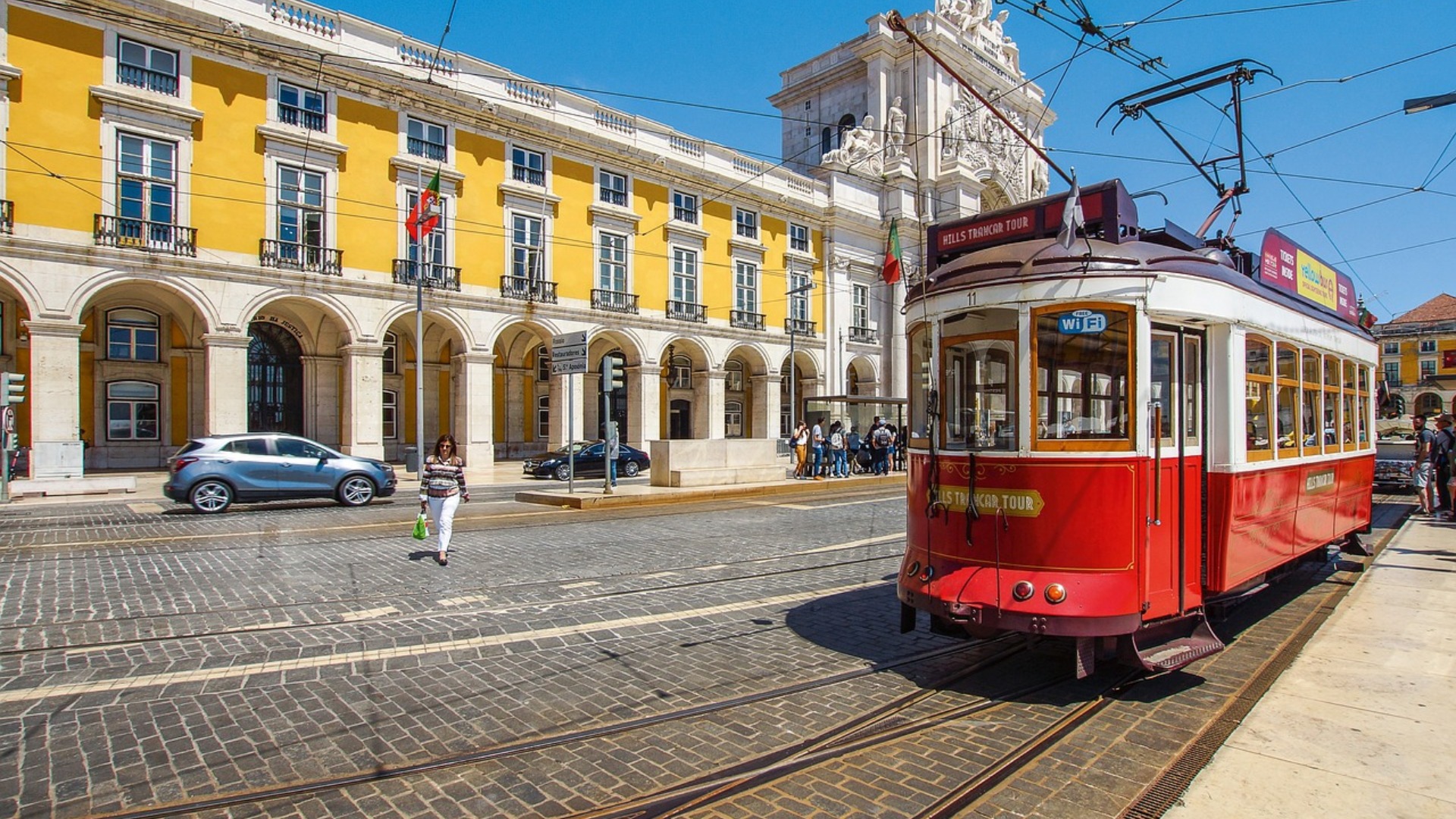
Lisbon and Porto, two major cities, are reportedly very attractive to those seeking digital jobs. Digital nomads have established a community at Ponta Do Sol, on the western coast of Madeira Island.
The global trend toward remote employment, however, has picked up speed since the pandemic; by 2020, at least 30 nations (among them Malaysia, Croatia, Costa Rica, and Mexico) have introduced some kind of visa geared for remote workers.
Source: euronews.com

Latest Articles