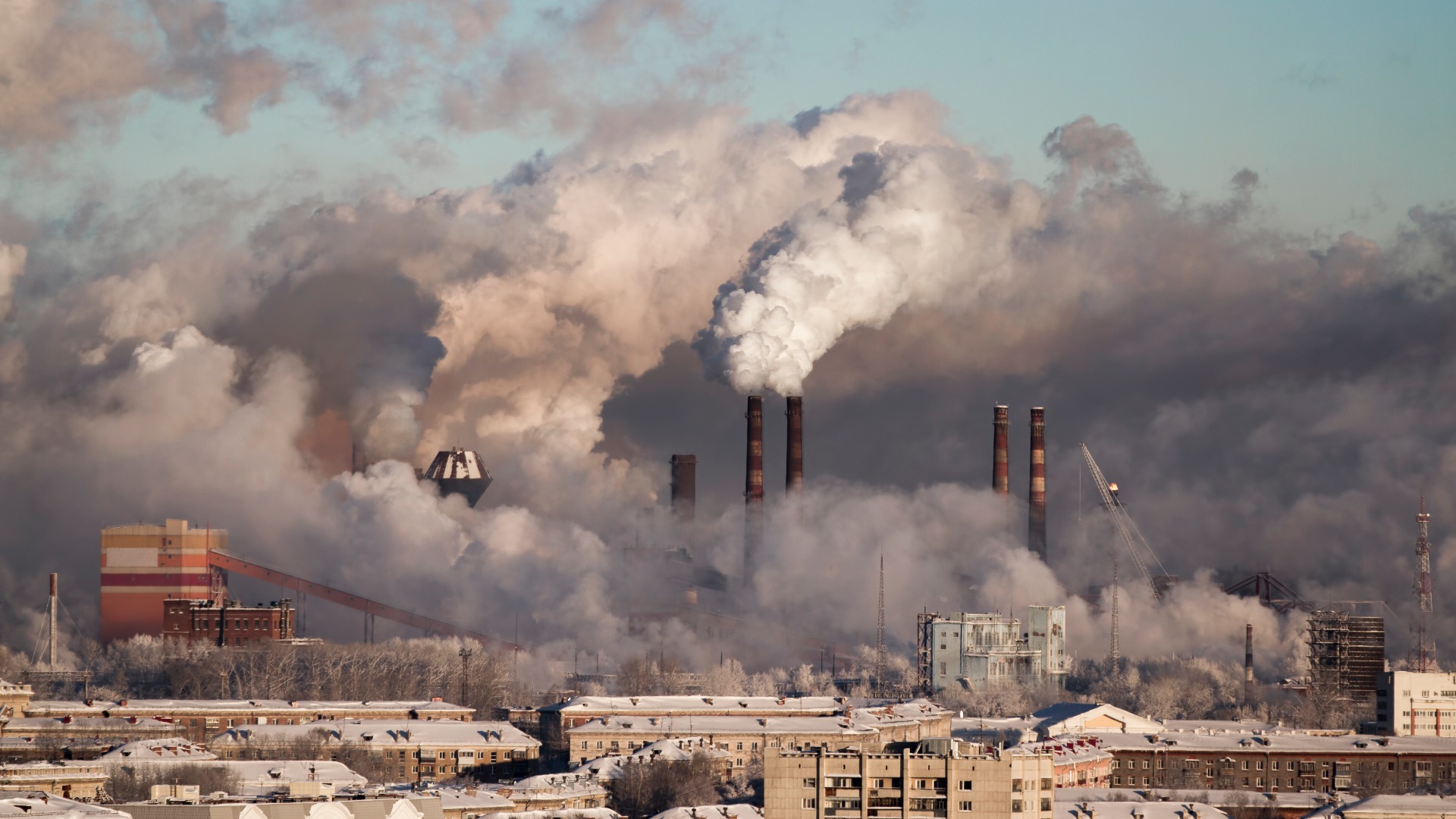
Pollution Levels Rise After Diwali Celebrations In Delhi
Air quality in India's capital plummeted following the holiday of Diwali, leaving residents to wake up to impossible air.

Even though fireworks were banned owing to pollution levels, many continued to set them off late into Sunday night following the festivities.
At the same time, it it already common knowledge for the nation that vehicle emissions and dust contribute to the city's chronically high pollution levels.
In addition, many types of pollutants, such as those released by firecrackers, get trapped in the lower atmosphere when wind speeds are low, making it more difficult to breathe. The administration of Delhi has already announced an early winter vacation for schools in an attempt to safeguard children from the hazardous air that has plagued the city for weeks.
The Air Quality Index (AQI) in Delhi was 445 on Monday afternoon, with some areas registering values exceeding 520, as reported by the government's Safar app. Fine particulate matter (PM 2.5), which may block bronchial tubes and lead to a variety of illnesses, is one of the pollutants tracked by the AQI. Moderate levels are between 101 and 200, while low levels are between 201 and 300. A score between 301 and 400 is deemed "extremely bad," while a score beyond 400 is "severe."
Some areas of Delhi have an AQI that is 30 times higher than the permissible threshold, despite the fact that the World Health Organization recommends limiting exposure to PM 2.5 over a 24-hour period to no more than 15 micrograms per cubic meter.
Lung doctors have compared inhaling the capital city's polluted air to the harmful effects of smoking 25-30 cigarettes daily. People might experience pain and respiratory issues when exposed to high amounts of pollution for extended periods of time. In addition to causing skin and eye inflammation, it has been linked to a number of serious neural, cardiac, and respiratory disorders, including asthma, COPD, bronchitis, lung capacity loss, emphysema, cancer, as well as an increased risk of dying prematurely.
The Supreme Court of India has issued a ban on traditional firecrackers, permitting only "green crackers" with decreased emissions for the festival of Diwali. While firecrackers have been officially prohibited by the Delhi government during Diwali for the previous several years, the restriction has not been strictly enforced. Some have even argued that the restriction on fireworks is an effort to suppress Hindu celebrations, lending the policy an overtly political undertone.
The environment minister of Delhi, Gopal Rai, made allegations that politicians from the opposing Hindu nationalist Bharatiya Janata Party (BJP) had encouraged citizens to ignite fireworks. According to Rai, not many people have exploded firecrackers, but it was done in specific spots in a targeted way.
However, Delhi's BJP president Virendra Sachdeva told the local media that it was unfair to place responsibility on festival-goers for the increase in air pollution. In his view, the AAP was to responsible for failing to address the problem head-on.
Source: bbc.com

Latest Articles