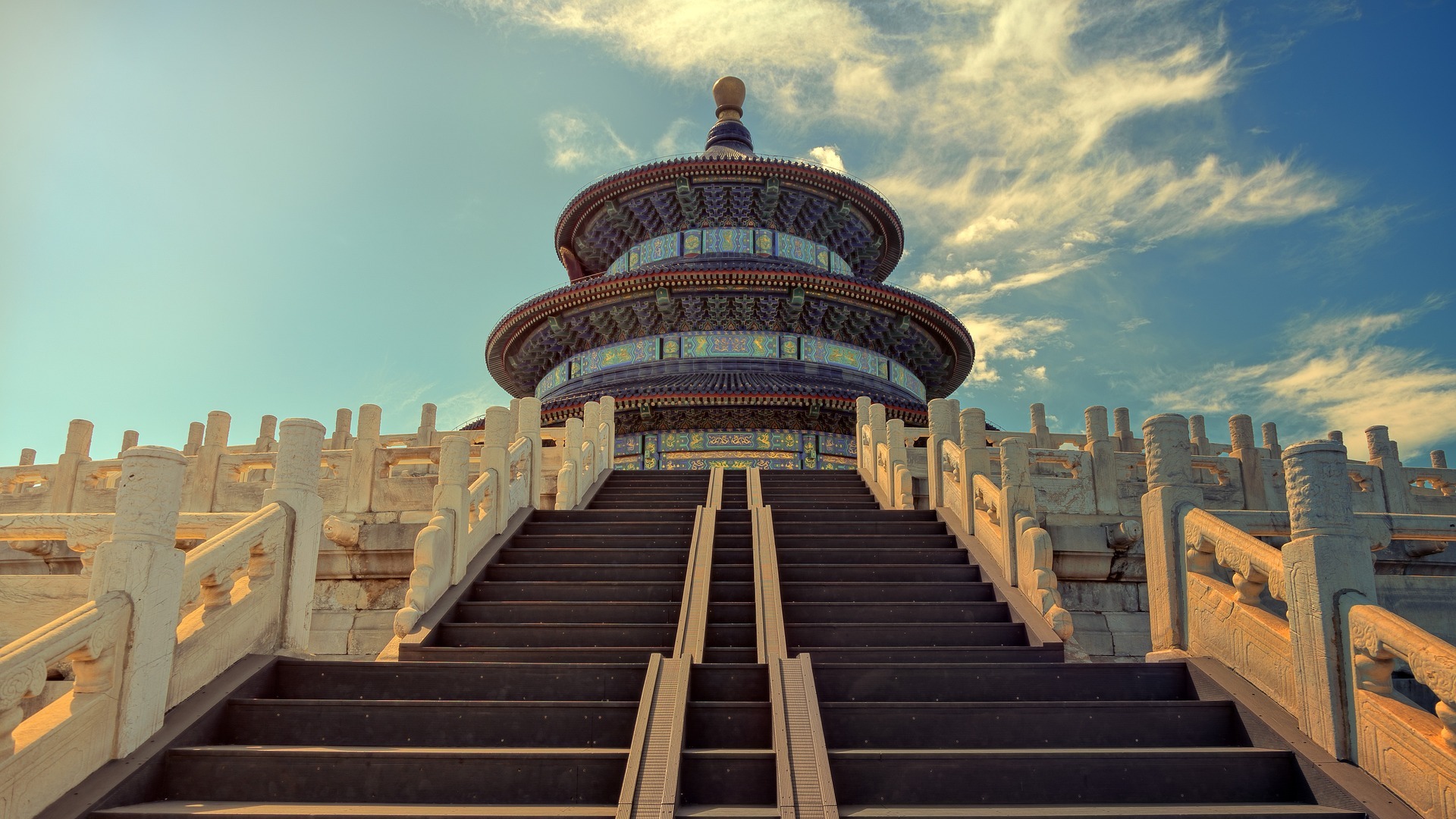
No More Visiting Attractions in Beijing Due to Spike in Covid Cases
The country is putting more emphasis on building hospitals and fever clinics and pushing ahead with a vaccination campaign while tourism is suffering.

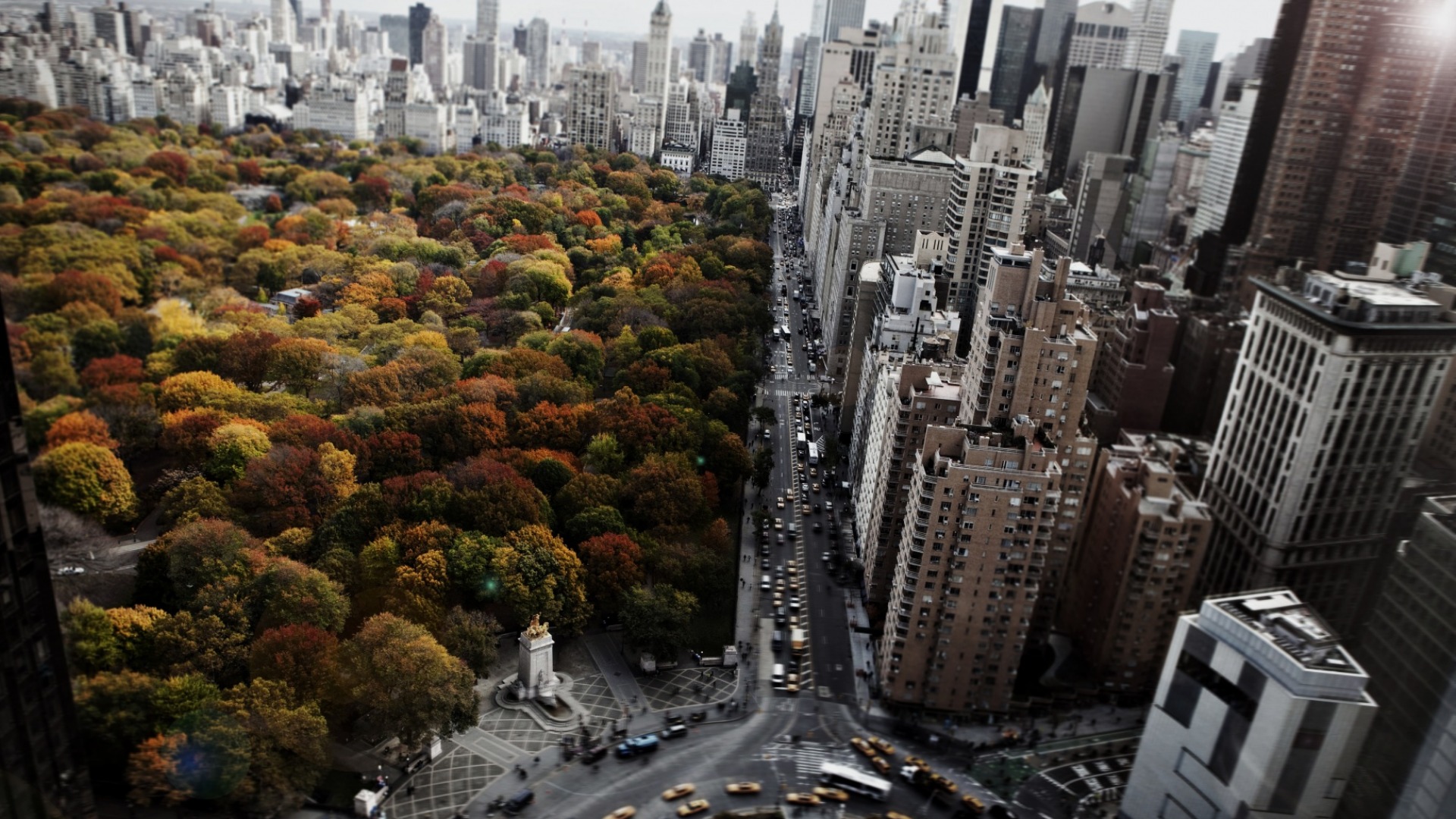
On Tuesday, Beijing closed parks, malls, and museums. Meanwhile, more Chinese cities resumed mass tests for Covid-19. This was in response to an increase in cases which has raised concerns about the economy and dimmed hope for a rapid reopening.
China reported 28127 new cases of domestically transmitted diseases Monday. This is close to its daily peak in April. About half of the total was recorded in Guangzhou, the southernmost city, and Chongqing, the southwest municipality.
Beijing has seen a rise in cases. The city government is asking residents to remain put and to show proof of a negative Covid, no more than 48 hours, to gain entry to public buildings.
This wave of infections tests recent changes China made to its zero Covid policy. These adjustments are aimed at making authorities more focused on clampdown measures, steering them away from blanket lockdowns, and testing which has frustrated residents and strangled the economy nearly three years after the pandemic.
"Some of our friends went bankrupt and some lost their jobs," stated a Beijing retiree aged 50, surnamed Zhu.
"We can't do many activities we intended to do, and it is impossible to travel. So we really hope that the pandemic can end as soon as possible," she said.
Two more deaths were attributed to Covid-19 by health authorities, following three in the weekend. These deaths were China's first since May.
After reporting 48 new infections, Shanghai ordered that seven of its 16 districts be closed. Tianjin was the latest city to request city-wide testing.
China is still a world outlier despite the adjustments to its guidelines. Its strict Covid restrictions and closed borders make it difficult for international observers.
China is trying to avoid tightening its policies in Beijing and other cities, but this has rekindled investor concerns about China's second-largest economy. This has weighed on stocks and caused analysts to reduce their forecasts for China’s year-end oil consumption.
Brokerage Nomura stated that its in-house index had estimated that 19.9% of China's total GDP was held in lockdown or curbs. This is an increase from 15.6% last Monday and is not far from the index's peak during Shanghai's lockdown.
The government argues President Xi Jinping’s zero-Covid policy saves people and prevents the healthcare system from becoming overwhelmed.
Many social media users were frustrated and made a comparison to maskless soccer fans at Sunday's soccer World Cup in Qatar.
"Tens of thousands in Qatar don't wear masks. And we are still panicking," wrote one user on the Weibo platform.
Localized lockdowns
Monday's warning by the capital was a sign that it is facing its worst pandemic. The capital tightened entry rules and required all arrivals from China to go through three days of Covid testing prior to being allowed to leave their accommodation.
Many Beijing residents have had their buildings locked up, but these restrictions are often temporary.
Residents claimed that grocery deliveries were slow due to heavy volumes. However, many museums were closed. Some venues, such as the Happy Valley amusement parks and the Chaoyang Park which are popular with runners and picnickers, stated they would close.
Beijing reported 1,438 domestic cases Monday, an increase of 962 on Sunday and 634 for the first 15 hours Tuesday.
Vice Premier Sun Chunlan, who spearheaded the zero COVID policy, visited Chongqing Monday. He urged authorities not to abandon the plan and control the outbreak, the municipality stated.
Not such a great situation
China's economy is experiencing one of the slowest growth rates for decades. A huge property bubble burst, youth unemployment has reached record levels, and the private sector has been paralyzed with zero-Covid, a series of crackdowns on industries it claims had experienced "barbaric" expansion.
Investors had hoped China's tighter enforcement of zero-Covid curbs would lead to more significant easing. However, many analysts caution against being too optimistic.
Experts warn that full reopening will require a huge vaccination booster effort as well as a shift in messaging in a country where this disease is still widely feared. They plan to increase hospital capacity, build fever clinics and conduct a vaccination drive.
Many businesses, particularly those that deal with customers, fear they won't survive next year if their customers don't keep their cash.
"The real picture may not be as rosy as it seems," Nomura analysts wrote, saying they only expected any reopening to accelerate after March next year, when the reshuffle of China's top leadership is completed.
"Reopening could be back and forth as policymakers may back down after observing rapid increases in cases and social disruptions. As such, local officials may be even more reluctant to be the initial movers when they try to sound out Beijing's true intentions," Nomura wrote.
Source: skift.com

Latest Articles