NASA successfully launches Artemis, the gigantic Moon rocket aiming to write history
The moon mission comes close to three months of frustrating fuel leaks problems that caused the rocket to swing between hangars and the launch site.

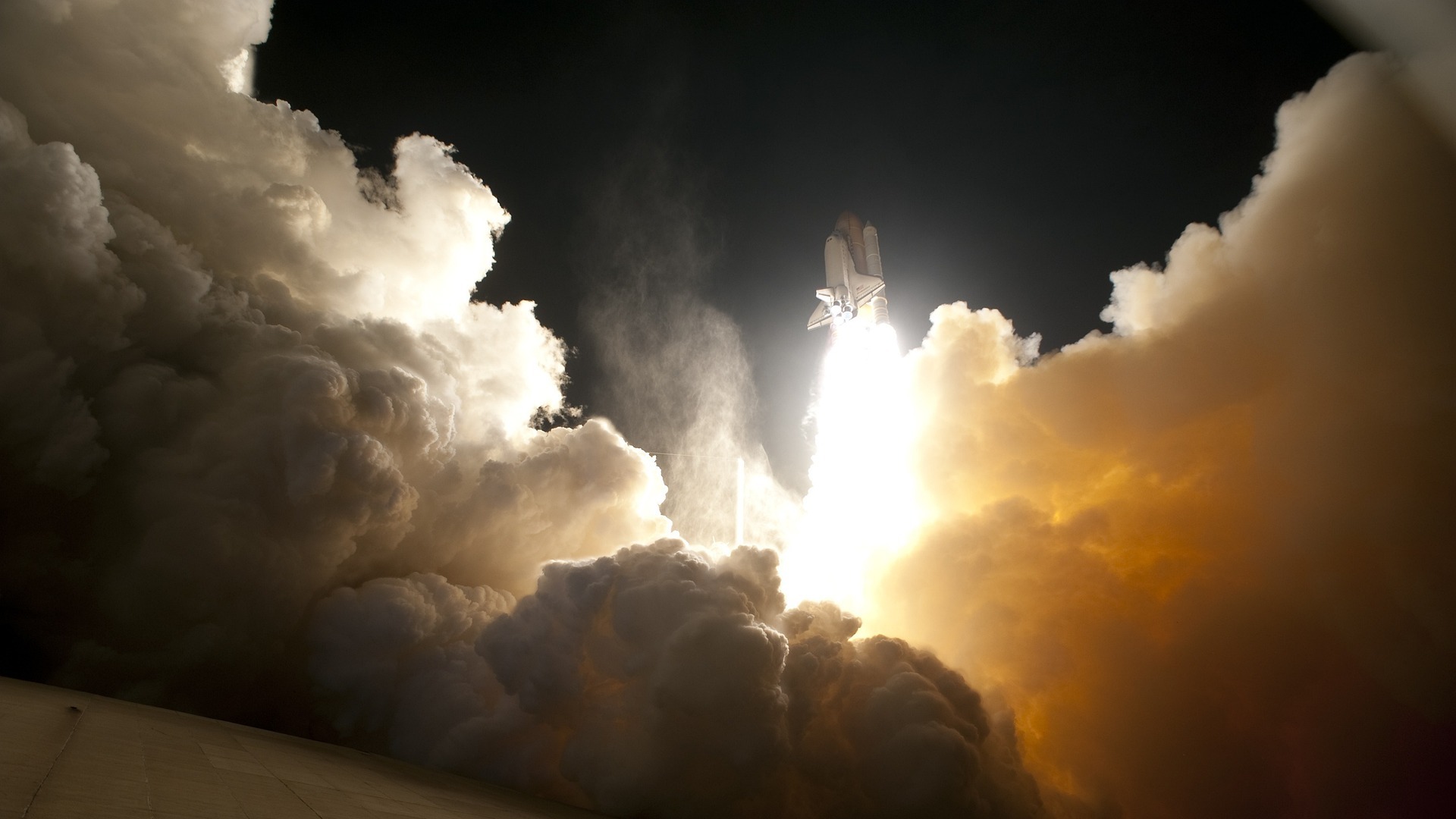
The gigantic moon rocket aiming to write another page in the history of space travel took off while carrying three test dummies aboard, bringing the US one step closer to reintroducing people to the surface of the moon for the very first time since the Apollo mission ended half of century ago. If all goes smoothly during the mission, the rocket will push an unmanned crew capsule into a broad lunar orbit and the capsule will touch down Earth by water landing in the Pacific, early December.
“We have a priority-one mission in play right now. We had the rocket do its job and deliver the spacecraft to the point of translunar injection,” declared Mike Sarafin, the manager of NASA Artemis 1 mission.
The deployment marked the beginning of Artemis, NASA's new flagship program. The Orion moon mission comes close to three months of frustrating fuel leak problems that caused the rocket to swing between hangars and the launch pad. This time, NASA succeeded to avoid a leak late Tuesday night while preparing the rocket for launch. So now the Space Launch System rocket, or SLS, made its highly anticipated premiere.
The 25-day mission is classified as a “short-class” mission by NASA, while still aiming to fulfill all of its objectives, albeit in a more limited period of time.
“We did proofs of concept early on to demonstrate that you can fit all the objects the program has decided they want us to accomplish into the shortest class mission. But, it’s much more of a Tetris puzzle to make sure all of those things fit in,” added Emily Nelson, NASA’s chief flight director.
NASA anticipated that 15,000 spectators would crowd Kennedy Space Center for the take-off, with thousands more surrounding the beaches and highways outside the agency’s fences.
NASA's primary aim for the $4.1 billion project is to test the capsule's heat shield upon re-entry so that trained people may board the next lunar trip scheduled for 2024. This first mission will be followed by Artemis 2, as well as a two-astronaut moon landing expected as soon as 2025.
source: aljazeera.com, spacenews.com

Latest Articles