
Mexico Bans One Of Its Major Attractions
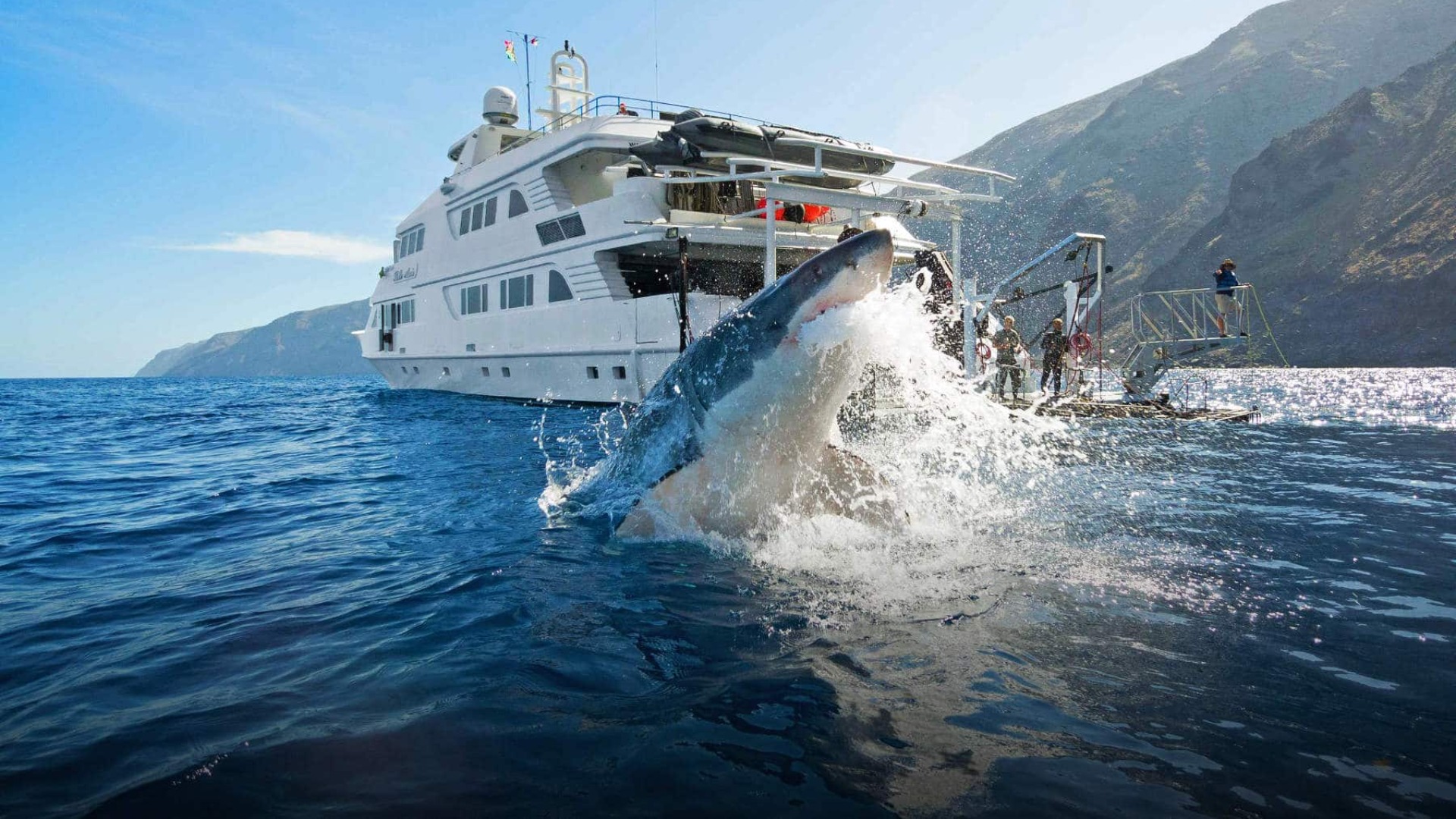
The Great White Shark has been banned as a tourist attraction on Mexico's Guadalupe Island.

The prohibition was prompted by unethical practises, raising worries for the regional economy.
Guadalupe Island, located in the Pacific Ocean off the coast of Baja California, has been a popular destination for tourists interested in studying sharks, but the Mexican government has now banned all shark-related tourism operations indefinitely.
According to Mexico's Ministry of Environment and Natural Resources, the new regulations are a reaction to illicit conduct in the business and repeated harm brought to the majestic animals.
Incorrect handling of the shark bait, allowing visitors and film-makers to swim free of cages, flying drones over seal populations, and dumping pollutants are all examples of such bad practises. The Mexican government also cited two particular incidents: one in 2016 when a shark was seriously injured after being trapped in a small enclosure, and another in 2019 where a similar scenario likely led to the animal's unfortunate death.
According to the government's new regulations, great white shark population is in constant danger because of these unregulated and unsupervised tourist activities. The prohibition is seen by the officials as an effort to save sharks as well as their habitats.
Mexico's government took this step after suspending shark-watching and sport fishing activities from May to December of last year in order to investigate the problem and come up with an appropriate solution. This comes as about 150 miles off the shore, Guadalupe Island is a safeguarded biosphere reserve established in 2005 by the Mexican government.
However, despite its inherently good intentions, the prohibition significantly disrupts the once-busy Guadalupe Island’s tourism economy, which had grown to rely heavily on shark watching and cage diving, as the specialized boats visiting Guadalupe Island doubled from 2014 to 2019, according to one research. Approximately 2,800 people per year went cage diving with sharks before the coronavirus crisis. As for now, many businesses announced that they are broke because of Guadalupe Island's shutdown, so many of them have decided to sell the companies.
Some have argued that the prohibition would have negative effects on research into great white sharks since cage-diving charter boats provided a convenient and inexpensive option for experts to study the animals. Others worry that if tour companies stop coming, locals would be driven away and traffickers will come in to steal the sharks' jaws and fins. Fins from great white sharks may fetch upwards of $10,000. As long as cage-diving was allowed, the animals were safe, operators said.
On the other hand, proponents of the ban also argue that cage diving and other shark observation activities help dispel the myth that great white sharks are inherently dangerous, as this stereotype has persisted since the mid-1700s. When people have a better impression of sharks, which would be the correct attitude towards all wildlife, aquatic or not, they are more likely to support conservation initiatives that safeguard the creatures and the places they live in the ocean.
Source: smithsonianmag.com

Latest Articles