London Gatwick Reduces Diesel Vehicle Emissions by 90% with Hydrotreated Vegetable Oil
London Gatwick Airport significantly cuts carbon emissions by converting 300 diesel vehicles to Hydrotreated Vegetable Oil (HVO), marking a crucial step towards achieving net-zero Scope 1 and 2 emissions by 2030.

### Rewritten Text:
London Gatwick Airport has achieved a remarkable 90% reduction in carbon emissions from its vehicle fleet by transitioning from diesel to Hydrotreated Vegetable Oil (HVO). This conversion translates into a saving of over 950 tonnes of carbon emissions annually.
HVO, derived from waste plant oils and fats, offers a sustainable and lower-carbon alternative to traditional diesel fuel. This initiative encompasses all 300 diesel vehicles, representing 85% of Gatwick’s operational fleet, to now run on HVO until their phase-out. Subsequently, these vehicles will be replaced by electric alternatives as part of the airport's "Decade of Change" sustainability strategy.
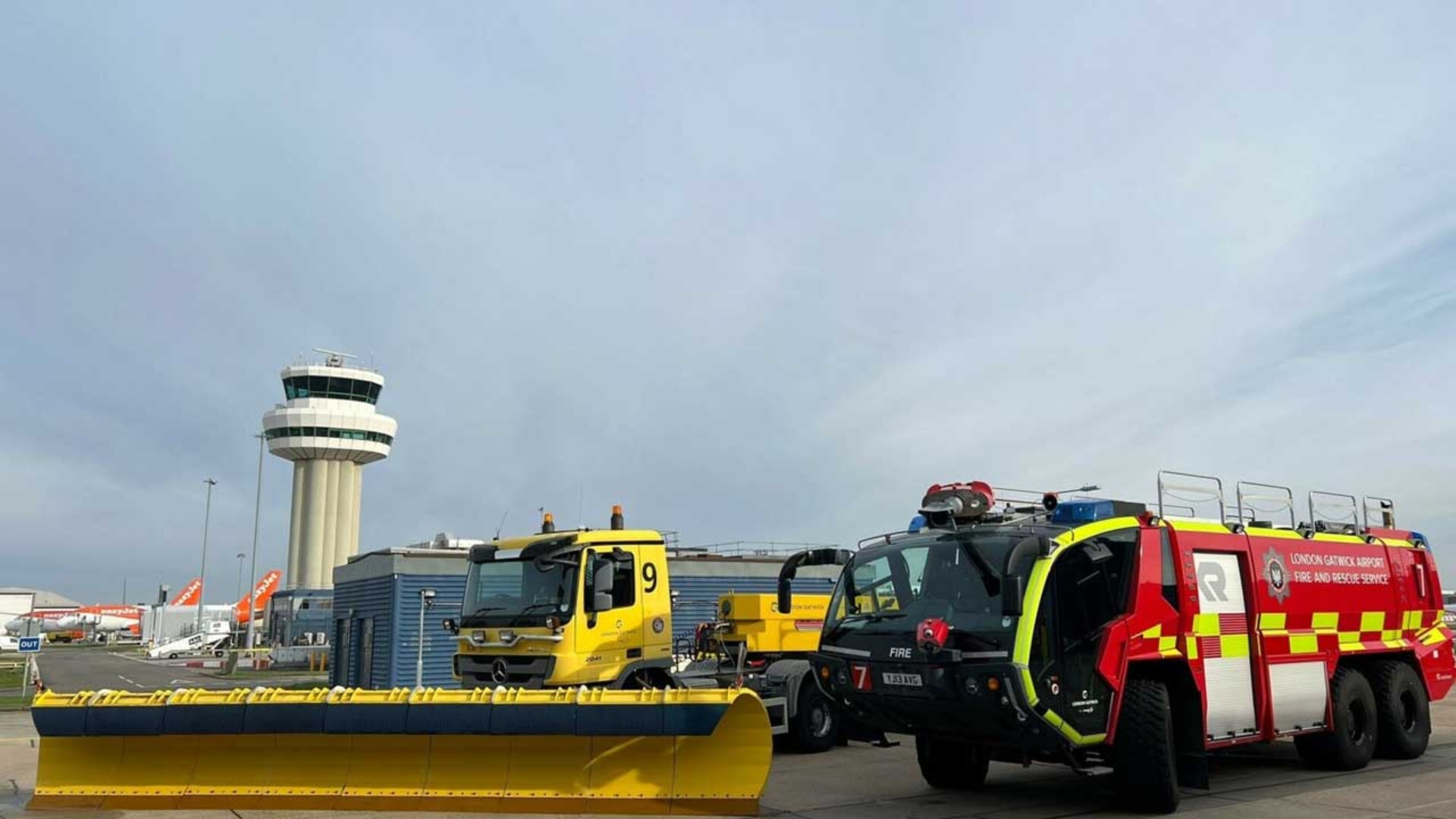
Vehicles including the airport’s fire engines, airside operations vehicles, and snow ploughs have successfully transitioned to HVO. Extensive testing confirmed that the switch to HVO does not compromise vehicle performance, maintaining the fire engines’ capability to respond to emergencies across the airfield within three minutes.
Steve Kelso, Head of Engineering at London Gatwick, emphasized the significance of adopting HVO for the airport's sustainability goals. He highlighted the importance of incorporating sustainably sourced HVO to swiftly reduce emissions across all operations, aligning with Gatwick's objective to achieve net-zero for its Scope 1 and 2 emissions by 2030.
The shift towards HVO is a pivotal component of Gatwick's broader environmental strategy, which also focuses on reducing Scope 3 emissions. Efforts include modernizing airspace, exploring sustainable aviation fuel (SAF), and supporting the development of electric, hydrogen, and hybrid aircraft technologies.
In alignment with the UK's Jet Zero strategy and Sustainable Aviation's net-zero by 2050 plan, Gatwick is actively collaborating with industry partners to address the environmental impact of aviation comprehensively.
Gatwick's commitment to environmental stewardship was recently recognized with its attainment of Level 4+ ‘Transition’ in the Airport Carbon Accreditation scheme. The airport is also pursuing a low-impact plan to bring its Northern Runway into routine use, aimed at enhancing operational resilience, supporting economic growth, and creating new employment opportunities.

Latest Articles