India Stops Issuing Visas To Canadian Citizens
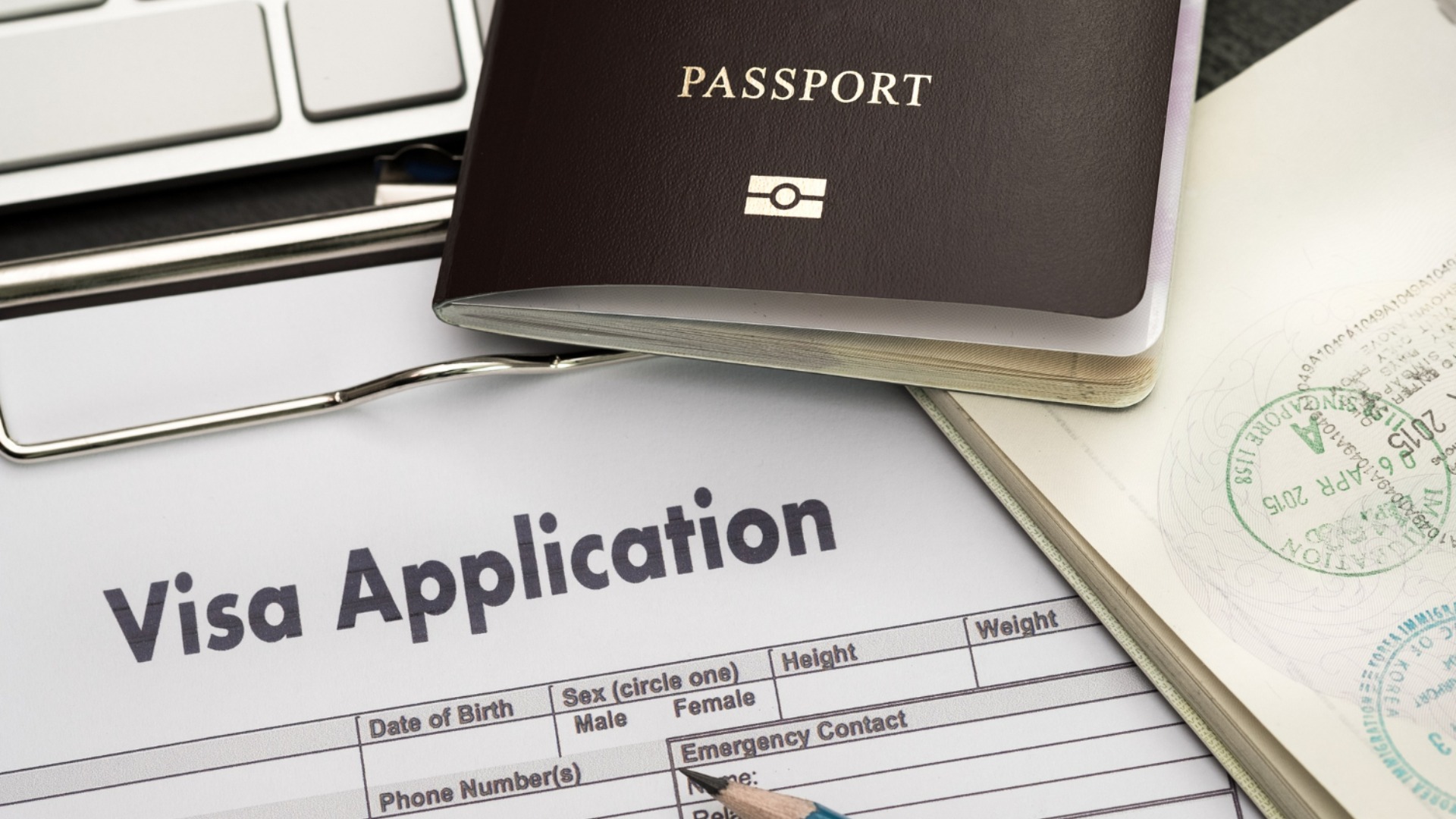
The shooting of a Sikh separatist in Canada has grown into a diplomatic crisis, prompting India to halt immigration processing for Canadians.

According to experts, tensions between the two nations have been building for months, and are now at a breaking point. In a note issued by its visa service company BLS, India's embassy cited "operational reasons" for the choice to decline entry.
Canada's announcement this week that it was looking into "credible claims" tying India to the assassination of the separatist leader stoked tensions between the two countries. India strongly denied the accusation, calling it "absurd."
The BLS website originally announced the visa ban on Thursday, stating: "Important notice from Indian Mission: Due to operational reasons, with effect from 21 September 2023, Indian visa services have been suspended till further notice." The Indian foreign ministry declined to provide any statement for the moment.
India had warned its nationals the day before to "exercise greatest care" in Canada because of "increasing anti-India operations and politically-condoned hate crimes and criminal violence."
Several recent incidents, according to Delhi, were accusations made against Indian ambassadors and other Indian citizens.
On the other hand, Justin Trudeau said that his country's security services were looking into the possibility that Indian agents might have participated in the assassination of Hardeep Singh Nijjar, a Canadian citizen. India has labeled Nijjar a terrorist in the year 2020. Nijjar was shot down in his car by two unknown assailants on June 18 in British Columbia, Canada, near a Sikh temple.
Moreover, Trudeau reminded parliament that any foreign government's participation in the murder of a Canadian on Canadian territory would be an intolerable breach of the country's sovereignty.
Canada has been accused of seeking to "change the spotlight from Khalistani terrorists and radicals" who have been provided refuge in the country, prompting an angry response from India.
Many Western-based Sikh separatists have called for Khalistan, or a separate Sikh nation, prompting strong responses from the Indian government. In the 1980s, the Sikh-dominated state of Punjab in India was the epicentre of a deadly rebellion known as the Khalistan movement.
The movement was suppressed and it no longer resonates in India, but among the Sikh diaspora in places like Canada, Australia, and the United Kingdom, it remains a popular topic of discussion.
Canada is home to the largest diaspora of Sikhs outside of Punjab and has been the site of multiple pro-Khalistan rallies. According to news accounts from June, India lodged a "formal protest" with Canada about the security of its diplomatic personnel.
Source: bbc.com

Latest Articles