
Hyperloop – the transportation of the future
The subsonic speed challenge of the hyperloop is coming to Europe.

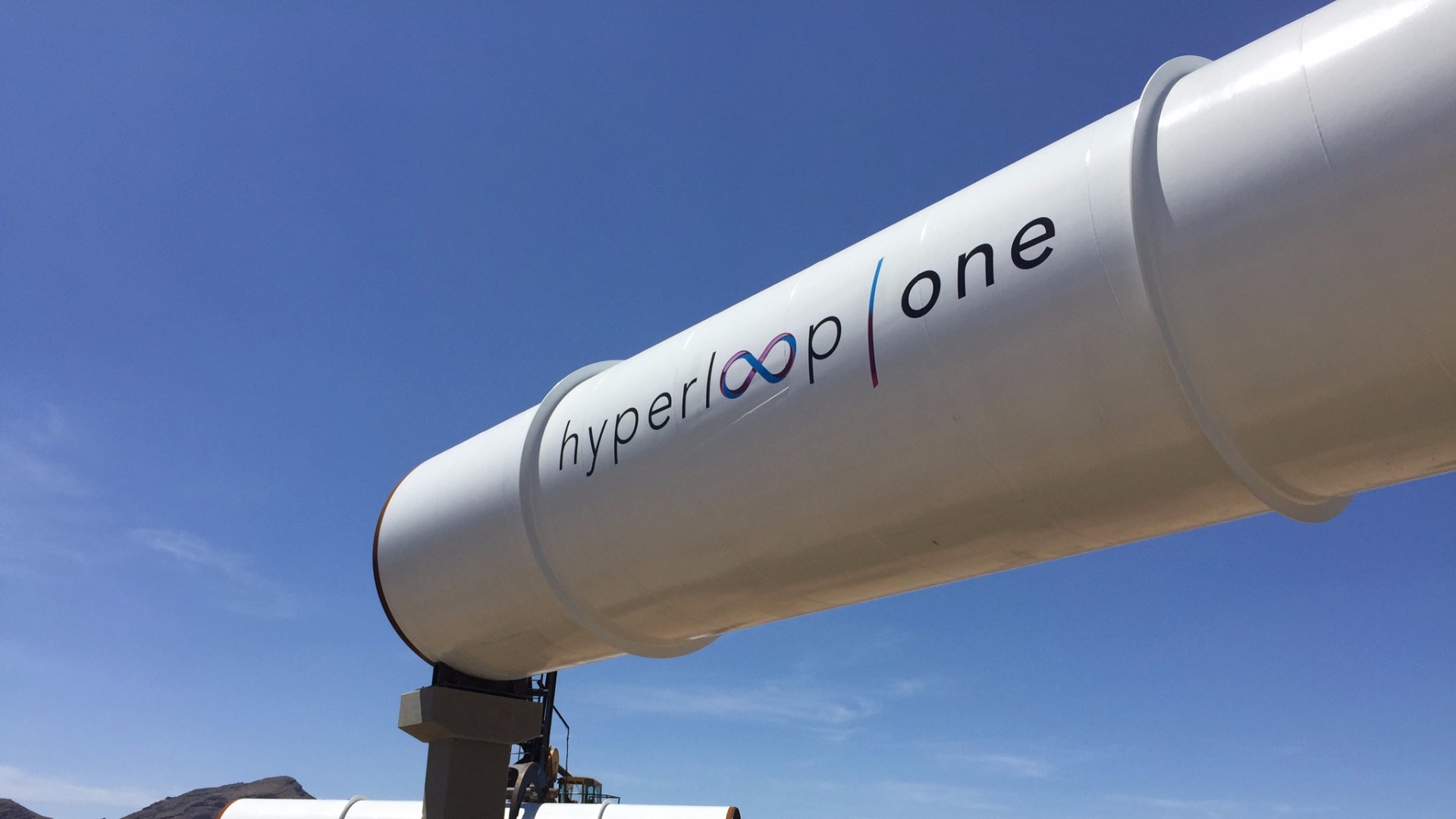
The "Hyperloop" is the transport innovation that consists of a series of levitating capsules propelled through a low pressure tube by air pressure or very strong magnetic forces. The capsules would reach double the speed of the modern trains today, but the costs would also be much higher.
The futuristic transportation facility is being developed by a few private companies. Hyperloop One, Hyperloop Transportation Technologies (HTT) and Elon Musk are active supporters of this revolutionary idea, as Hyperloop One has already tested its early-stage system earlier this spring at Delft University in Netherlands. The prototype traveled through the tube for 5.3 seconds and reached a speed of 113 kilometer per hour (70 miles per hour).
With the innovative vacuum tube, travelers will be able to cover distances between Helsinki and Stockholm or Berlin and Munich in less than half an hour.
The challenge was accepted by numerous companies worldwide as the Vision for Europe Summit in Amsterdam last month hosted tech-innovators aiming to connect 44 cities in Europe in the near future, with a project that can be a real game changer promoting less traffic jams, less carbon emissions from traditional transport and significantly higher mobility across the continent.
As currently the scientists are trying to build better Hyperloop models, Josh Giegeld from Hyperloop One, declared: "We've tested our hyperloop system; we know it works, and we're ready to deploy it to the rest of the world."
The next HyperLoop One testing phase aims to build a system that reaches 400 kilometers per hour.
Meanwhile, in order to create sustainable partnerships for the future, a Mobility Act needs to be implemented in order to build uniform policy measures between European countries involved in the project.
"There needs to be an interconnect between entrepreneurs and policy makers. At the end of the day policy makers are civil servants and they are working on behalf of the public," stated Gillian Harrison, from the University of Leeds' Institute for Transport Studies in UK.
Source: dw.com

Latest Articles