Food is a major draw for visitors to Mexico's Yucatán Peninsula
Sabores de Yucatan hosted a gathering where attendees could partake in conferences and master courses led by some of Mexico's most acclaimed chefs.

The first-ever Sabores Festival Gastronomico de Yucatan took place in Merida. Also, 2022 was designated as the Year of Yucatecan Gastronomy, and the sector's most prominent figures—including chefs, food critics, journalists, and manufacturers of honey, salt, craft beer, and spirits—were all in attendance.
The purpose of the festival was to compare and contrast the millennia-old culinary customs of "the country of the pheasant and the deer” with the cutting-edge techniques and flavours of today.
With over 12,000 attendees, the first edition of Sabores de Yucatan festival confirmed the region's status as a world-class venue for large-scale events and served as a catalyst for tourist growth in the area.
Cenotes, archaeological sites, farmlands, historical towns, beaches, rainforests, a thriving indigenous culture, modern conveniences, and peace of mind are all available in Yucatan. But its culinary traditions provide a unique chance to market the region to tourists by telling stories about the rich history and vibrant present that can be experiences while visiting these places.
The Yucatan Ministry of Tourism, led by Michelle Fridman Hirsch, took a big gamble on this concept by hosting the annual Latin America's 50 Best Restaurants event and the first Sabores de Yucatan Festival. Over 12,000 people were introduced to Yucatan’s cuisine during the festival, proving that food is a driving force behind the revival of the tourist industry and that the Yucatecan gastronomic offer is on par with the world's best.
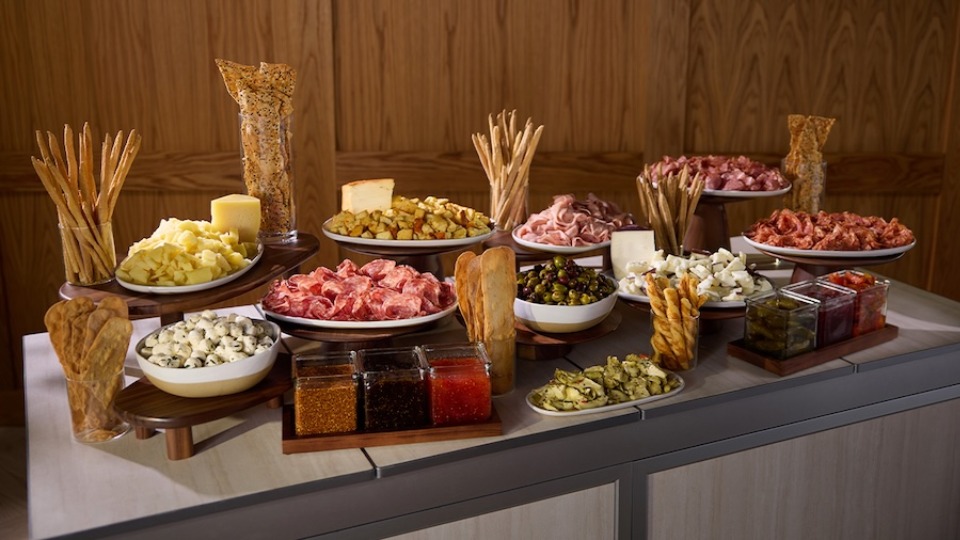
Yucatan proved that it has become a gourmet destination of excellence with its vast program of events and its broad and unique food offering. In Paseo de Montejo, the 58 Yucatecan manufacturers who showcased their goods at the Mercadito Sabores were well received by the crowds. More than 4,300 people visited the exhibition, where they learned about and sampled products like honey, habanera, sour orange, and henequen from 21 different eateries in the heart of Mérida. There were also three gastronomic circuits, each of which drew in more than 600 people armed with a "gastronomic passport."
In addition, 164 persons were presented the tour of Cantinas and Tap Rooms, while the Garden Sabores at Mercado 60 drew in over 2,000 people over the course of the weekend to enjoy the great selection of foods and the entertaining sounds of live concerts. 160 people participated in the free Market Tours, which allowed participants to explore local markets and other attractions.
Furthermore, the Casona Minaret hosted 19 seminars and tastings for 760 guests, as well as 10 talks and conferences as part of the Academic Program. Many of the world's best chefs, both local and internationally acclaimed, attended the festival to talk about food and discuss their ideas with an audience of almost 2,000 people.
About 800 festival goers were said to have enjoyed the Electric Buggy ride across the city to the Gastronomic Circuits on streets 47, 55, and 60.
More than 12,000 people took part in the events, and they would not have been feasible without the support of local farmers, chefs, and traditional cooks. More than 180 local, national, and international chefs gathered in Yucatan for the first time for the Sabores de Yucatan Festival and the honoring of Latin America's 50 Best Restaurants.
The event attracted attendees from all corners of the globe, celebrity cooks recognized all around the world included. Rosalia Chay Chuc, a renowned traditional chef from the Yaxunah community, offered a presentation on recados and cochinita pibil. Her products are widely considered the finest in the state.
Chef Dabiz Muoz of the Spanish restaurant Diverxo highlighted not just the incredible gastronomic experience Latin America is enjoying, but also the prospects it is progressively exploiting:
"Coming to Merida in August was the trip of a lifetime. Its gastronomic richness is a reflection of the people, of their affection. When we arrived in Yucatan I was surprised to see how generous they were because, although they had little, they gave us everything. I believe that gastronomic luxury today is to make someone feel special, and that happens in Mexico," he said. Dabiz Muoz also won “The Best Chef in the World” title at Best Chef Awards.
Minister Fridman Hirsch said that the event was a blessing to Yucatan's economy by attracting tourists, raising the country's profile internationally, and fostering the sharing of valuable experiences and insights.
She stated that tourism and the dining sector might be used to help close socioeconomic inequalities, reduce food waste, encourage more sustainable and locally sourced cuisine, and protect and restore natural ecosystems.
The official summed up the festival's aftermath by saying that "in the hands of each one of us is crafting a future tied to sustainability and inclusivity."
Source: travelpulse.com

Latest Articles