First monkeypox infection reported in India: could travel insurance help?
The patient is a 35 years old man who recently returned from an abroad trip. He is now under the supervision of doctors and under the attention of the State Health Authorities also aiming to institute proper public health measures against the spreading of the virus.

But with the surge of cases reported worldwide, maybe travel insurance can partially solve the monkeypox problem, as treatment expenses can be fully covered by the insurance plan, analysts say.
“In the wake of the first monkeypox case reported in India, it is important to remember that all infectious diseases, including monkeypox, are covered under the basic health insurance policy. If a person is diagnosed and thereby hospitalised, then it will be covered under an individual health insurance policy”, explained the CEO of Reliance General Insurance, Rakesh Jain.
Treating monkeypox while on holiday or simply travelling overseas should be free of charge, as the customer should either get back his money after hospital check-out (via reimbursement claim) or is treated with no fees, if covered by health insurance plan.
“Anyone who is travelling outside India should check their overseas Mediclaim policy clearly, whether virus borne disease is covered or not. If it is covered, whether the disease can be treated outside India or not. If anyone contracts monkey pox outside India, then one has to take treatment in India, subject to policy terms and conditions.
“It is always recommended that one should buy comprehensive health before travelling outside India, on the safer side for better coverage.
“When one has a health/travel insurance policy and is advised hospitalization for monkey-pox, he or she will be able to avail the claim post hospitalization. The kind of claim that one has, depends on the kind of hospital he/ she seeks treatment in”, Indraneel Chatterjee, Co-founder of RenewBuy, also commented.
Some travel policies only cover accidental death and accidental hospitalisation. Medical hospitalization is not included in those policies.
“Customers should opt for the Medical Expense feature in their travel policies to ensure that all emergency medical costs such as hospitalisation, outpatient and cashless hospitalisation will be covered during an international trip. Treatments taken for monkey-pox during a foreign trip are covered in travel insurance under the Medical Expense feature to the extent of sum insured limits or sub-limits. Co-habitation, nonetheless, is usually not included in the policy cover. It is, therefore, advisable to go through the policy features and exclusions in detail and choose the right add-ons to ensure adequate coverage”, concluded Rakesh Jain.
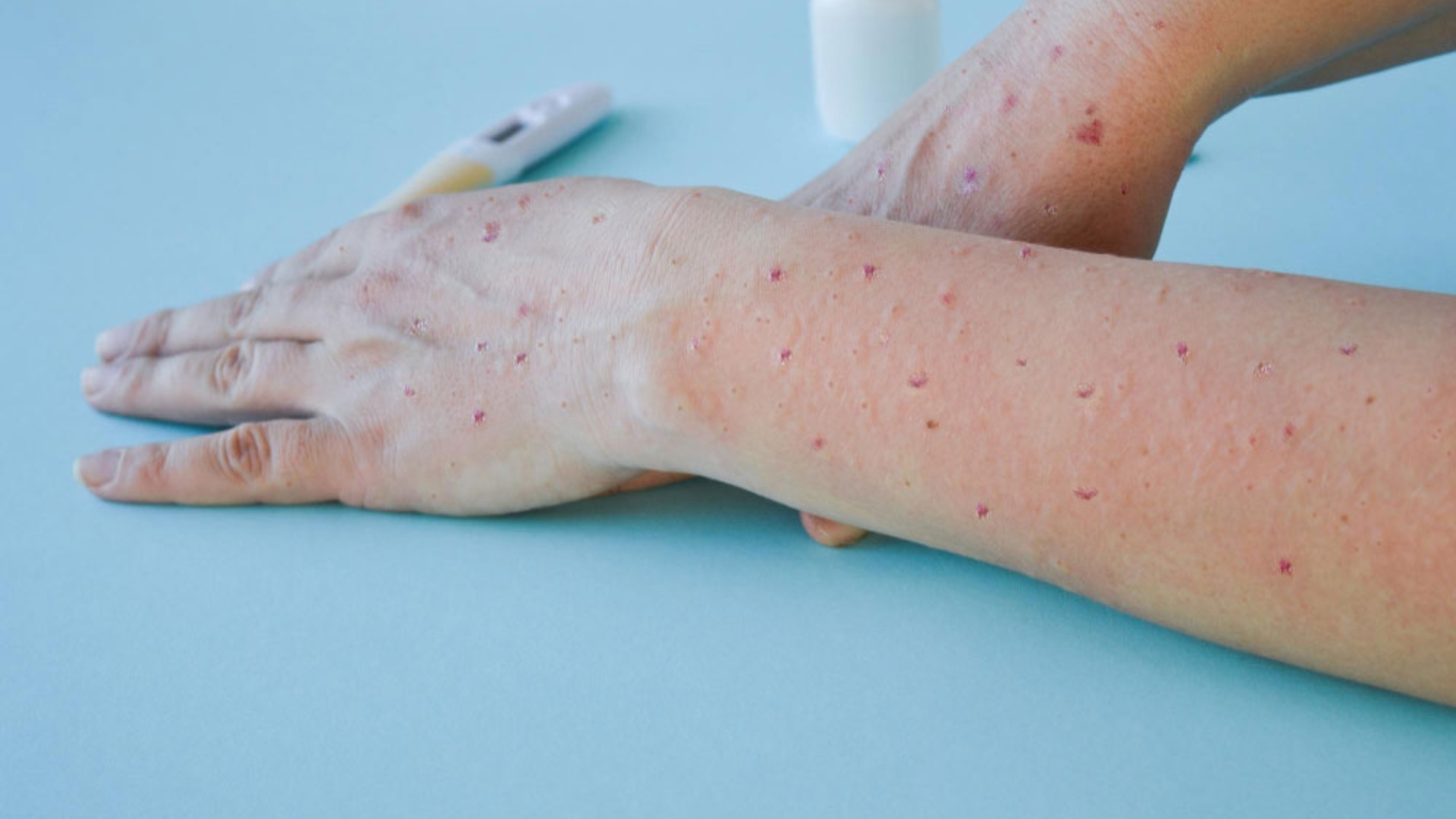
Monkeypox virus can be transmitted from by close contact between humans, or from infected animals, via lesions, body fluids or contaminated materials. According to the World Health Organisation (WHO), symptoms are similar the ones triggered by the smallpox patients (rash, fever, headache, muscle ache, swollen lymph nodes, chills, fatigue). If you think you have monkeypox, or if you become infected with the disease while travelling, seek for qualified medical support as soon as possible.
Source: financialexpress.com

Latest Articles