Congaree National Park - The Hidden Natural Jewel Of The US
Despite its accessibility, one of America's most stunning national parks receives very few visitors.

Moreover, the park is considered to be one of the most biodiverse woods in the country. Yet, the National Park Service reports that just around 205,000 people actually visited the preserve last year.
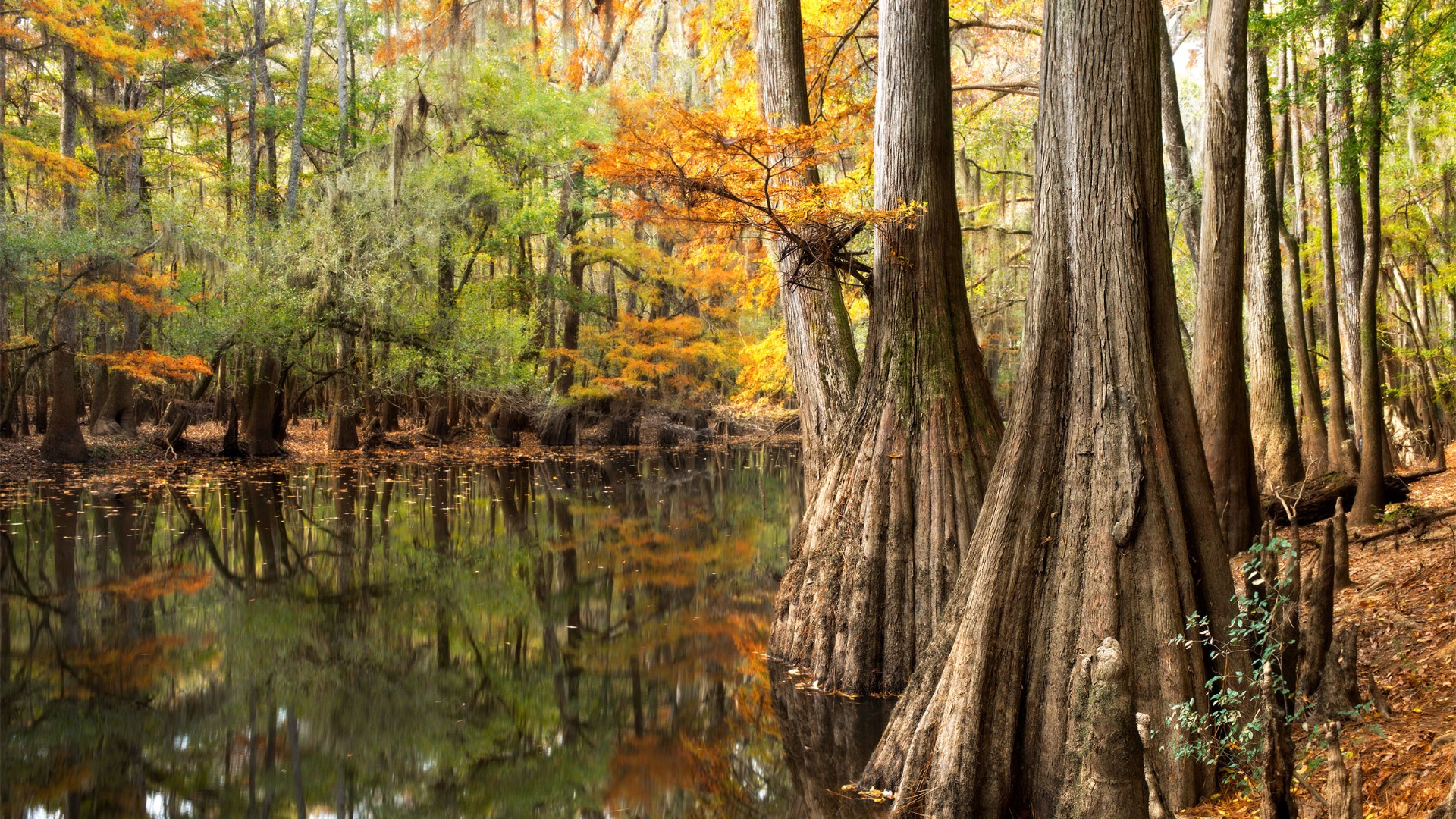
Located in the southeastern United States in Richland County, Congaree National Park is home to the highest percentage of champion-sized trees across North America, as stated on the park's official website. The median forest canopy height in the park is more than one hundred feet.
The park claims that "old-growth bottom-land forests like those found here at Congaree originally spanned about 30 million acres" and that "long-leaf pine savannahs" previously covered "around 90 million acres" throughout the southern United States. However, most of those trees have been cut down throughout the ages due to logging, farming, and the growth of towns.
Native Americans were not the only ones to live off this lands over the course of thousands of years. Spanish explorers, English settlers, and escaped slaves also used the wildness as a haven. The original inhabitants of the area, the Congaree, inspired the park's name.
The three largest tribes in the Southeast—the Cherokee, the Catawba, and the Creek or Muskogee—all called this region their homeland at one time. The Congaree people would have been one of the three groups that interacted with this area, since they were indigenous. Sadly, not much has been discovered about the Congaree since a large portion of their population is supposed to have perished in the 17th and 18th century, perhaps as a result of fighting and sickness brought about by European colonialism.
Visitors have the option of spending a few hours or an entire day visiting the more than 26,000 acres that make up Congaree National Park. Either way, the park is sure to leave a lasting impression. Most experiences in Congaree are self-guided, although the park does offer a number of free ranger-led programs that may be accessed on its online calendar of activities.
Everyone, regardless of age or physical ability, may enjoy the 2.6-mile Boardwalk Loop in the park. Additionally, canoeing, kayaking, and fishing are also well-liked pastimes. Kayaks and canoes may be rented outside of the park, but visitors should know that the park does not provide this service. And if you want to fish in South Carolina, you'll need a fishing license. Non-residents must pay $11 for a freshwater license valid for 14 days.
The weather in the park is often most pleasant in the spring and fall. Greenery abounds and temperatures are pleasant in the spring, while autumn is renowned for its vibrant hues. Thunderstorms are common in the summer, and the heat may be uncomfortable. Winter is peak flooding season, which makes the park off-limits during the season.
Source: eu.usatoday.com

Latest Articles