Airports Pose Growing Parking Challenges for Indian Airlines
India's aviation industry has grown at an astonishing rate.

The Indian skies will be much busier in coming years due to the large number of aircraft ordered and the increased desire by airlines to expand their market share and network. While there is enough room in the sky to accommodate flights in India, this cannot be said for the major airports.
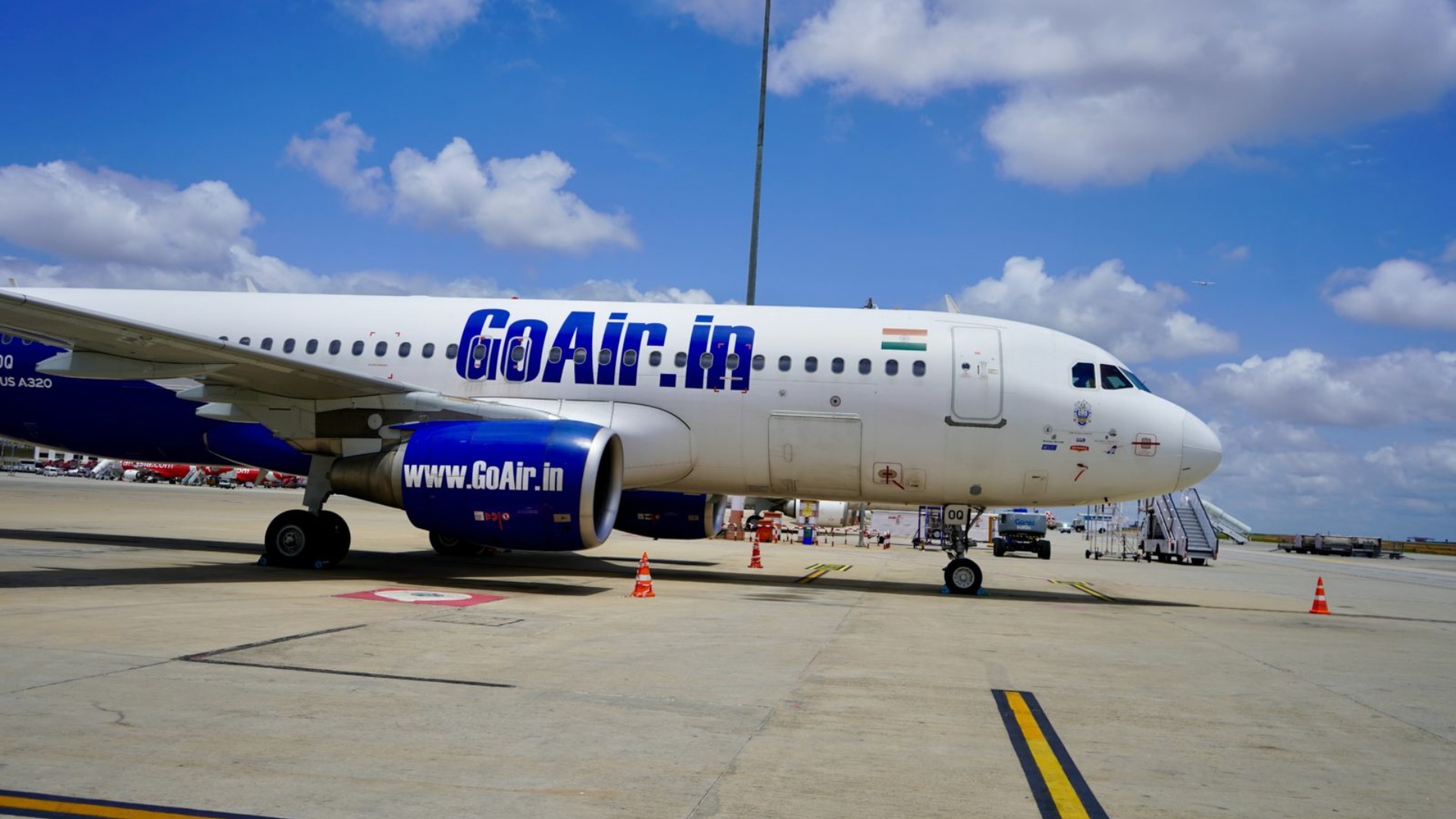
The major hub airports in India, Mumbai and Delhi, are always favorites of airlines. The airports are popular because they have a constant flow of traffic. Airlines compete to secure important slots to take advantage of the demand. Parking spaces are in short supply at large airports, so airlines must find alternative ways to park aircraft overnight.
The Hindu conducted an analysis that revealed Delhi and Mumbai have enough parking for over 360 aircraft from various Indian airlines. This is roughly half the commercial fleet of Indian airlines. These cities also serve as important bases for airline crew.
According to Aeronautical Informational Publication (AIP), Mumbai airport can accommodate 131 narrowbodies, while Delhi has 233 parking spaces for widebody and narrowbody planes. These two airports are responsible for almost one-third the outbound traffic from the country. Airlines want as many parking stands as they can get.
However, major airlines like IndiGo, Air India and Vistara that operate the majority of Indian flights can only obtain around half of what they need to plan a commercially viable network. This problem was exacerbated when Go First and IndiGo aircraft were grounded due to engine problems with Pratt & Whitney.
This problem has led to airlines planning their network so that they sometimes compromise on flight profitability. Airlines, for example, are now forced to fly their aircraft at the end of the day into smaller airports like Ahmedabad near Mumbai or Lucknow near Delhi that do not have as many early morning passengers.
The Middle East has also been identified as a possible destination for aircraft deployment to reduce stress in Delhi and Mumbai. There are red-eye flights, in which aircraft fly from one destination to another at night so that their maintenance checks can be performed later during the day. According to The Hindu, an executive from the network planning team at an airline said:
"These are some of the forced measures we use; this is an additional financial burden on the airline as only the most price-sensitive customers will opt for such flights."
It could be difficult for airlines to solve the parking issues at busy airports, as the number of aircraft is expected to grow dramatically in India in the next few years. There is still hope!
Delhi and Mumbai will be getting more airports over the next few years. This will provide much needed relief in terms of parking.
Carriers will also likely explore additional parking spaces in other destinations such as Bengaluru and Hyderabad. In the next few years, we hope that the pace of infrastructure development will keep up with aircraft deliveries.
Source: simpleflying.com

Latest Articles