Air NZ Launches Electric Aircraft Trials with BETA
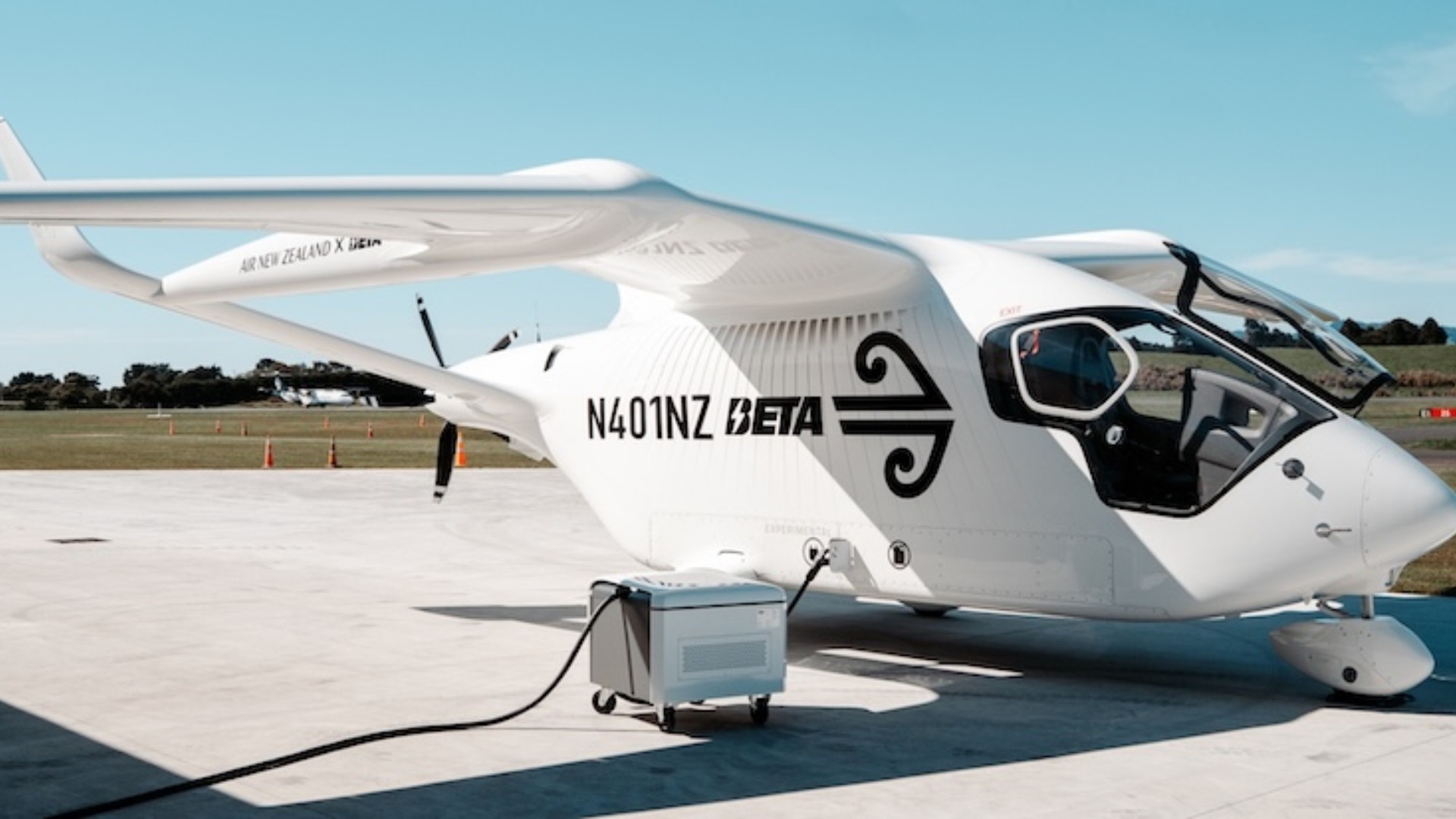
Air New Zealand has officially launched its first electric aircraft programme, kicking off a four-month demonstration of the BETA ALIA CX300, a battery-powered aircraft developed by U.S.-based BETA Technologies.

The programme began this week with test flights from Hamilton and will cover routes across the North and South Islands, including stops in Taupō, Napier, Palmerston North, Wellington, and Blenheim. The goal: to gather real-world operational and environmental data to help shape the future of regional air travel.
The ALIA CX300 is the first electric aircraft to carry Air New Zealand branding and is being operated by Air New Zealand pilots Andrew Mercer and James Owen in collaboration with BETA’s flight team. The tests aim to assess performance in varied conditions, build pilot experience, and inform regulatory planning.
“New Zealand is an ideal proving ground,” said Air New Zealand CEO Nikhil Ravishankar. “With 60% of our regional flights under 350 kilometers and 85% renewable electricity, we’re in a prime position to trial next-gen aircraft that can eventually reduce emissions and costs.”
The BETA ALIA CX300 offers up to 398 kilometers of range, carries two crew members and cargo, and uses a conventional take-off and landing system. Its quiet, zero-emission electric propulsion is compatible with existing airport infrastructure, making integration simpler.
Hamilton Airport is the starting point for testing, with dedicated 65kW mobile charging stations deployed at key locations, funded through Air New Zealand’s Climate and Nature Fund. Each charge takes about 90 minutes, allowing multiple daily flights.
The Civil Aviation Authority is closely involved, using the programme to explore how new aircraft types can safely fit into New Zealand’s regulatory and operational landscape.
“This kind of hands-on learning is essential,” said CAA Director Kane Patena. “It helps us develop the right frameworks to support innovation without compromising safety.”
The aircraft will remain in New Zealand until early 2026 before returning to BETA Technologies. The trial is a step forward in Air New Zealand’s broader strategy to adopt cleaner aviation technologies and develop a more sustainable fleet for the future.

Latest Articles