According to UNESCO, World Heritage glaciers may vanish by 2050
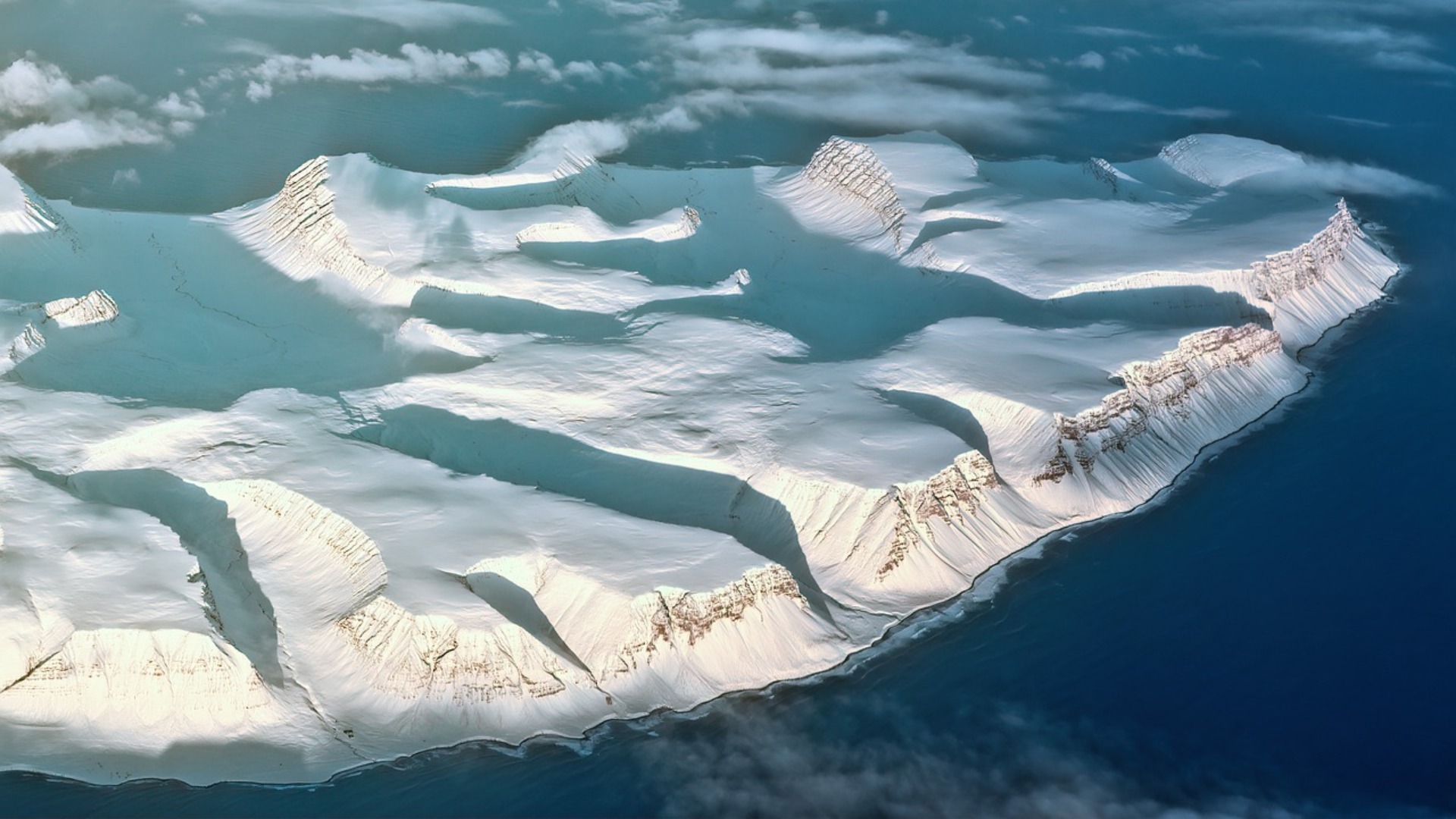
Glaciers may be found in fifty of the UNESCO World Heritage sites, covering over 10 percent of the planet's total ice surface, including Africa's tallest, longest (Alaska), and last existing glaciers.

But recent UNESCO report shows the fast melting of these giants may lead to their disappearance three decades from now. Nevertheless, the analysis also suggests that if global temperatures rise by no more than 1.5°C over pre-industrial levels, the remaining two-thirds could be saved. This will as well be a key problem for delegates in the next COP27 to discuss.
58 billion tons of ice are lost each year, accounting for France and Spain's combined annual water demand, as the melting glaciers are the main cause for the increasing sea-levels worldwide. The affected icecaps are located across Africa, Asia, Europe, Latin America, North America, and Oceania.
According to the UNESCO research, which was conducted in collaboration with the International Union for Conservation of Nature (IUCN), the glaciers began melting at an accelerated rate twenty years ago as a result of overwhelming CO2 generation increasing global temperatures.
UNESCO’s Director-General Audrey Azoulay declared, while urging all nations to compellingly address this problem:
“This report is a call to action. Only a rapid reduction in our CO2 emissions levels can save glaciers and the exceptional biodiversity that depends on them. COP27 will have a crucial role to help find solutions to this issue. UNESCO is determined to support states in pursuing this goal.”
UNESCO representatives are also calling for the establishment of a new global fund for glacier monitoring and protection. The initiative aims at promoting related research and improving environmental disaster risk reduction measures in order to protect both humanity and biodiversity.
“When glaciers melt rapidly, millions of people face water scarcity and the increased risk of natural disasters such as flooding, and millions more may be displaced by the resulting rise in sea levels. This study highlights the urgent need to cut greenhouse gas emissions and invest in Nature-based Solutions, which can help mitigate climate change and allow people to better adapt to its impacts,” added Bruno Oberle, IUCN’s Director General.
Glaciers are central stones of life on this planet, as they represent vital freshwater reservoirs supporting all ecosystems and human communities. Without urgently implementing the necessary measures in order to limit the melting of this huge amount of ice, our Earth faces an uncertain future.
Source: news.un.org

Latest Articles