
Elewana Collection is expanding its family safari programmes across selected lodges and camps in Kenya and Tanzania, introducing new activities designed to make safari travel more accessible to families with younger children.
The company says the move responds to growing demand for multi-generational trips and experience-led family travel, with parents increasingly looking to include younger children in journeys traditionally geared towards adults and older children.
New activities range from wildlife and conservation experiences to cooking, traditional games and cultural activities, with some programmes available to children from the age of three.
Elewana has also created a new Head of Family Experiences position, appointing Natasha Wissanji to oversee the development of its family offering.
Safari activities designed for younger travellers
Rather than introducing the same programme at every property, Elewana is tailoring family experiences to the landscapes, wildlife and cultural characteristics of individual destinations.
At Tortilis Amboseli Camp in Kenya, Tarangire Treetops in Tanzania and Elsa’s Kopje in Kenya’s Meru National Park, children aged three and above can learn about traditional spear making and throwing.
Food is another part of the expanded programme.
At Kifaru House in Kenya and The Manor at Ngorongoro in Tanzania, children aged six and above can participate in a Garden to Table experience.
Young guests harvest vegetables and herbs from the property’s shamba, or kitchen garden, which chefs then use to prepare a family meal.
At Loisaba Tented Camp in northern Kenya, activities for older children include evening scorpion searches, combining an introduction to nocturnal wildlife with lessons about moving safely through the bush after dark.
Conservation and local culture become part of the experience
Several of the activities have been designed to introduce children to conservation and the environments they encounter during their safari.
Young guests can take part in traditional games such as Iron Snake and Migration, while a giant outdoor version of Jenga incorporates wildlife and conservation facts into each block.
Evenings can include marshmallow roasting around the fire and local folklore storytelling.
At Elsa’s Kopje, children can learn the story of Elsa the lioness and the conservation history associated with the property. Guests can also watch Born Free during outdoor movie screenings under the stars.
Children over four receive a Wildlife Warrior backpack containing an activity pack, bottle and other items designed for use during their stay.
Elewana plans to expand the concept later in 2026 with the Wildlife Warrior Passport, a journal that children can use to document wildlife sightings and other experiences throughout their safari.
Elewana adapts safari logistics for families
The changes extend beyond children’s activities to the practical aspects of travelling on safari with younger guests.
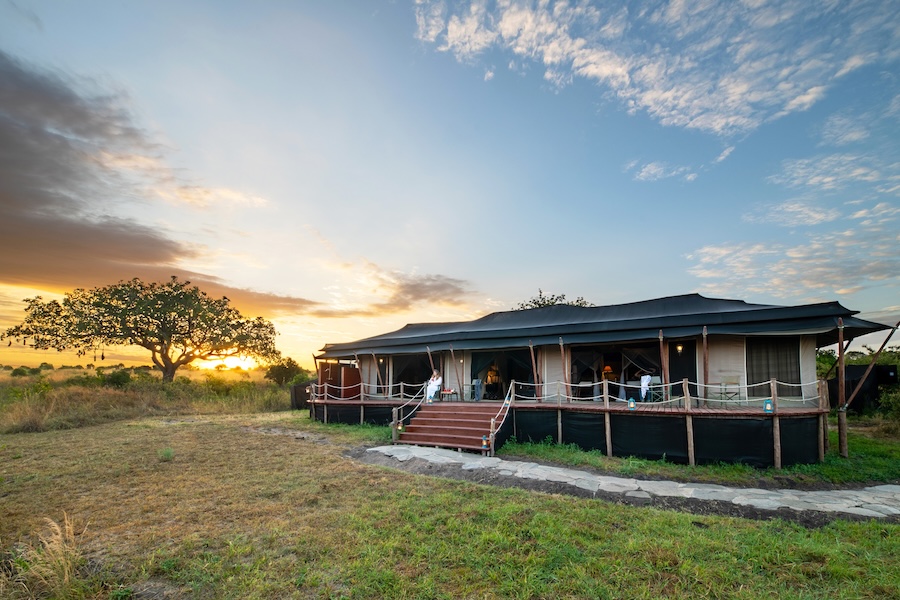
Elewana is introducing family amenities including bed rails and child-friendly toilet seats, while selected properties offer connected tents and multi-bedroom accommodation suitable for both immediate and multi-generational families.
Private safari vehicles can also provide greater flexibility for families.
Instead of requiring young children to follow the conventional schedule of long early-morning and afternoon game drives, families can arrange shorter outings around sleep schedules and individual needs.
The company is also providing more information before arrival, helping parents understand which activities are available at each lodge, what they should pack and which children’s items are already provided.
“The aim is to create moments in which children remain engaged while parents also have the opportunity to slow down and enjoy the experience themselves,” said Natasha Wissanji, Head of Family Experiences at Elewana Collection.
Multigenerational travel reshapes the traditional safari
According to Wissanji, the traditional safari model has generally worked best for families with older children capable of joining early game drives and remaining quiet for extended periods while observing wildlife.
Growing interest in multi-generational travel is changing that model.
“Traditionally, safaris have been centered around families with older children able to join early morning game drives and sit quietly for long periods of time,” Wissanji said.
“However this model has shifted with the rise of multigenerational travel, bringing increased demand for families looking to create core memories with younger children and grandparents alike.”
Elewana’s approach is to introduce family programming selectively rather than convert its entire portfolio into family-focused accommodation. Properties better suited to adult travellers will retain their existing atmosphere.
Family travel grows across Elewana’s East African portfolio
Elewana Collection operates 17 boutique lodges and safari camps across Kenya and Tanzania, covering wildlife destinations as well as coastal locations.
The expanded family programme adds another layer to the company’s safari offering at a time when experiential and multi-generational travel are becoming increasingly important parts of the luxury tourism market.
Additional activities are expected to be introduced at selected Elewana properties later in 2026.