
London Stansted is preparing for its busiest summer ever, expecting more than 6.5 million passengers through the terminal during the peak months, following a record June that saw 2.88 million passengers pass through — up 3.4% year-on-year.
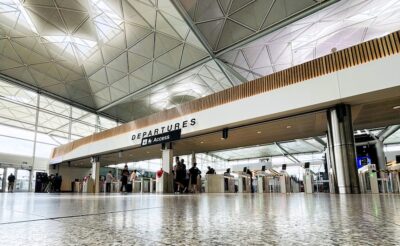
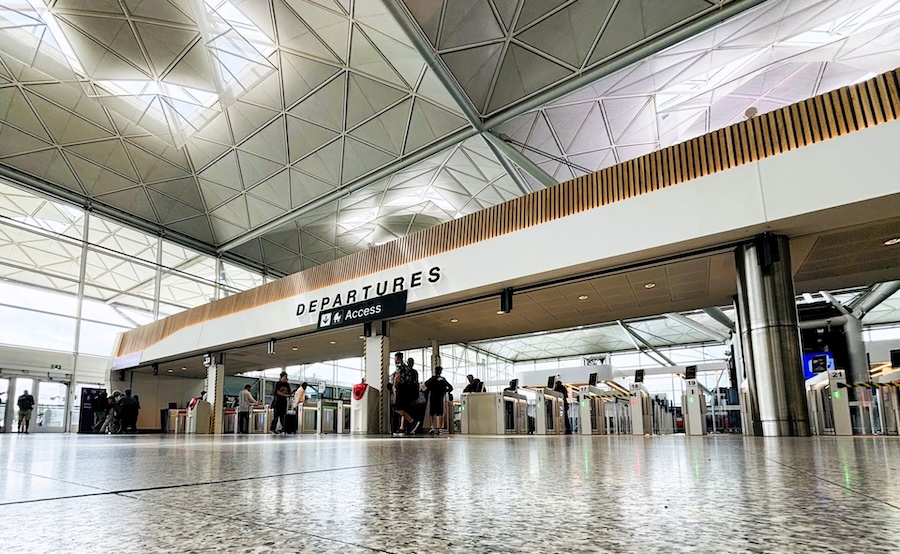
The strong passenger numbers coincide with a significant acceleration in the airport’s transformation programme, which aims to grow Stansted’s capacity to serve more than 40 million passengers per year. Construction of new “skylink” walkways connecting the terminal to existing satellite buildings will begin later this summer, enabling the decommissioning of the current track transit people mover system. Removing the transit system will in turn allow the terminal building itself to be extended in later phases.
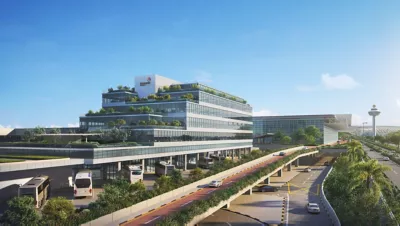
The centrepiece of the programme is a three-bay terminal extension adding 16,500 square metres of space — new shops, bars, and restaurants — which would make Stansted the largest single-terminal airport in Europe.
Work already completed or underway includes an enlarged security hall with 17 CT scanners allowing liquids and large electronics to stay in bags, a new domestic arrivals building, a new airside security access facility, refurbishment of the Satellite Two gate areas, baggage system upgrades, and an on-site solar farm.
The summer’s strong demand has been supported by capacity additions from Ryanair, Pegasus, and Jet2.com, as well as Turkish Airlines debuting at the airport in March with up to 15 weekly Istanbul flights, and new routes from BA CityFlyer, easyJet, and Jet2.com.
Stansted secured planning permission late last year to grow to up to 51 million passengers annually over the next two decades — a target that would see on-site jobs rise by 4,500 to more than 16,000 and gross value added nearly double to £2.5 billion a year.
“We have real momentum behind our vision for London Stansted,” said Gareth Powell, Managing Director of the airport. “Our ability to increase passenger numbers coupled with our investment plans will bring new opportunities for growth across the Innovation Corridor.”